Published 13 May 2026

Protecting your home from escape of water
What does escape of water mean?
You may have seen the term ‘escape of water’ in your insurance documents. It’s used to refer to a type of claim where your home’s been damaged by water getting out (escaping) from somewhere it shouldn’t. This could be down to an issue with your valves or pipe joints or any kind of leak, e.g. from washing machines, dishwashers or sinks.
What causes escape of water in the home?
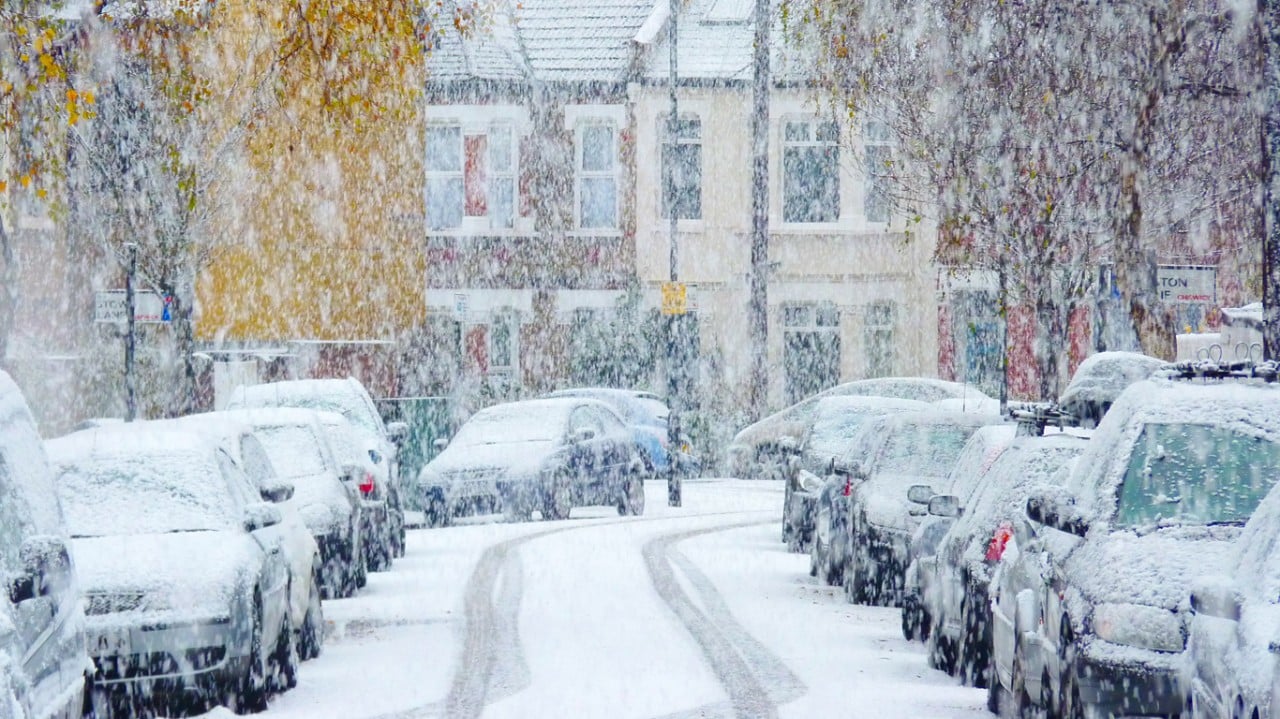
Every home is prone to leaks. Dozens of pipes often run through walls and floors for plumbing and central heating, and they can be temperamental - especially in frosty weather.
Usually, the first signs of a leak in your home are a sudden loss of water pressure, mysterious puddles or damp patches appearing on a floor, wall ceiling. Sometimes though, the damage appears more dramatically - like a floor or bulge in the ceiling. When that happens, reacting quickly can help prevent further damage.
Common causes of escape of water in the home include:
- Pipes freezing in winter when the temperature drops.
- Faulty or ageing grout or sealant around showers and baths.
- Appliance failures, such as washing machines or dishwashers.
- Above-ground pipes cracking, splitting or leaking.
- Plumbing issues, including loose fittings or failed joints.
We only cover water escaping from:
- Domestic appliances
- Fixed tanks
- Pipes
What’s the difference between escape of water and a flood claim?
You’d claim under escape of water when it’s to do with something inside your house, like a pipe leaking. A flood claim is when water has entered your home from the outside, for example when a water main bursts or heavy rain causes a river to flood.
How can I keep escape of water to a minimum?
The simplest way to prevent escape of water is to stay on top of your home maintenance. Make sure any household appliances that use water, for example, are in good working order and rust-free. These tips can help you lower the likelihood of escape of water:
Keep pipes in a good state of repair and don’t let a cold snap get the better of them! Use insulation to reduce the risk of bursting.
Keep your fixtures and fittings properly maintained and make sure your appliances are behaving as expected.
Keep an eye on the rooms using water, like kitchens, bathrooms and toilets. Check floor and wall tiles for any damage and pay close attention to old grouting or any seals that are falling apart.
You’ll want to know where these internal taps are so you can turn off your water supply in case of ahome emergency. It’s also important to check they work!
If you’d like more home maintenance tips, here’s how you can help keep your gutters clean and check for blockages.
How to prevent leaks
Like everything in life, prevention is better than cure, so regular maintenance could make a real difference. It's important you keep your home in good condition to prevent leaks.
Damaged grouting and sealant around baths, sinks and showers can lead to links. These sealants are not designed to last forever and will need periodic mainteance and renewal. Failed sealant can be hard to spot, but in many cases, it can look raised and blackened - a sign it's time to replace and reseal the area.
Annual services by a qualified heating engineer will make sure you have a well maintained system and is the best way to keep on top of issues before they happen. The costs of these checks will be far less and you'll avoid potential damage a water leak could have on your home.
If there's cold weather on the way, you can prevent your pipes from freezing and bursting by keeping your heating on low and warm when you leave the house. You can also lag your pipes (add insulation) to prevent any damage.
There's great tech that can help monitor your home's pipes. For example, installing a water leak detector will give you an early warning of any trouble. Some such as Samsung's SmartThings device, can connect to your smartphone so you can get notifications on the move.
Make sure you're clued up on how to protect your house from escaping water.
What to do if there's a leak in your home?
Not only can leaks cause structural damage to your home, but they also can lead to mould. Mould thrives in humid temperatures, so if pipes are leaking in a warm area of the house, mould can appear within 24-48 hours.
Dangerous spores that can affect your health may form in just three days if left untouched. As soon as you spot a leak, you need to act quickly to secure your home and health.
- Locate your stopcock and turn off the water.
- Run your taps to rid your system of water.
- Call your insurer and tell them what's happened and where the leak has come from.
- If it's safe to do so, soak up any warm water with towels.
- Move precious items or furniture out of harm's way.
What if the leak is late at night or on a weekend?
Contact your home insurer - most insurers have a service avaliable 24/7 to help you. If you have Allianz Home Emergency Cover you'll be able to contact the claims line for help at any time of the day or night.
If not, follow the tips above, and try to speak to your insurer as soon as you can. If you get help from a plumber at any point, be sure to keep all receipts and invoices.
How to spot a leak in your home?
Usually, the first signs of a leak in your home are a sudden loss of water pressure, mysterious puddles or damp patches appearing on a floor, wall or ceiling. Often, however, the effects of a leak can suddenly show themseleves as a bulge in the ceiling, or even a flood. When this happens, reacting quickly can help prevent further damage.
Even if you can't see any obvious signs of a leak, you may still have one. Here's how to spot a leak that might be hidden:
- Check the water meter in your home - Make a note of the meter reading and then turn off your home's water supply. After half an hour if the number on the display has changed, this could indicate a leak. At that point, it's time to call your insurer, water supplier or plumber.
- Keep an eye on drips - Even if your leak is slowly dripping, don't ignore it. This can lead to much bigger problems such as rotten joists and blown ceilings.
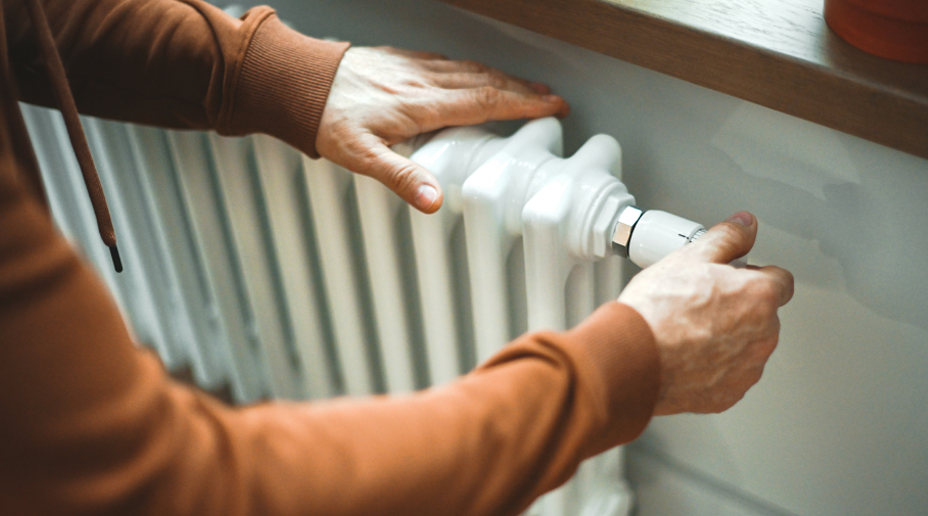
- Regularly check radiators and pipes - Pipes should be dry to the touch, if they're not, this could be a sign of a slow leak.
What should I do if I discover escape of water?
Remember, your safety is the most important thing and water and electricity don’t mix! If there’s water on the floor, don’t try to turn the electrics off yourself at the mains. Call an electrician. If you find a leak in your home, there are a few things you can do but you should only try them if you’re not putting yourself in any danger.
- Use your stopcock to turn off your water at the mains.
- Run your cold taps until the water stops flowing to empty your system.
- Turn your power off, and don’t touch anything electrical.
- Soak up leaked water with a mop or old towels and open up your windows.
- Keep your furniture and valuables away from the leak.
- Let your home insurance provider know, report it to your water supplier or call a plumber to get the problem fixed.
Is escape of water covered with Allianz Online Home Insurance?
Our home insurance covers you for escape of water or oil, which includes leaks from any fixed tank, domestic appliance or pipe.
The cover limit will vary between our bronze, silver or gold options, so it’s always worth referring to your policy documents for more information and to see what’s covered.
What escape of water claims are not covered?
Some causes of water damage aren't typically covered under 'escape of water'. These include:
- Wear and tear - like faulty grout or sealant that's cracked or deteriorated over time.
- Water leaking in external guttering, rainwater downpipes, roof valleys or gullies.
- Overflowing water from a shower, bath, sink, bidet or basin when taps are left on (may be covered under 'Enhanced accidental damage' if you've selected this)
if you're not sure what your cover includes, it's worth checking your home insurance documents.