Published 1 July 2025

From plants to pots and even power tools, is your garden and its gear covered by your home insurance?
Here at Allianz, we handled nearly £200,000 worth of plant and garden claims in 2024, with a claim of over £14,000 from a single garden theft incident, and almost £800 for one single plant.
So, let’s take a look at:
- What’s covered in the garden under your home insurance.
- How to deter garden thieves.
- Practical ways to protect your plants.
- Fire Safety in the Garden.
Fire Safety in the Garden: From BBQs to bonfires
As the summer months roll in and we spend more time enjoying our gardens, it’s important to remember that fire safety should always be a top priority… even in the garden.
So, whether you’re hosting a BBQ for friends and family or using a bonfire to dispose of garden waste, taking the right precautions can help prevent accidents and protect your home, garden, and loved ones.
At Allianz, we understand the importance of protecting what matters most, so here are some top fire safety tips to keep in mind this summer.
-
1. Never leave BBQs unattended
-
2. Use accelerants with extreme caution
-
3. Be aware of weather and ground conditions
-
4. Safely dispose of coals and ashes
-
5. Keep a bucket of water nearby
It’s easy to get distracted when hosting a BBQ, from grabbing a drink, to chatting with guests, or topping up the kids’ suncream, but leaving a BBQ unattended, even for a moment, can lead to dangerous situations. Always keep an eye on your BBQ while it’s lit, and make sure someone responsible is nearby to manage it at all times.
If your BBQ or bonfire is slow to start, it might be tempting to use an accelerant to speed things up, but remember, accelerants (like lighter fluid) can be highly volatile. A small amount can quickly escalate into a large, uncontrollable flame, so always follow the manufacturer’s instructions and use accelerants sparingly and safely.
During dry spells (even in a typically rainy British summer!) your garden can become a fire hazard. Dry grass, plants, and soil are more susceptible to catching fire from sparks or embers. So, before lighting a BBQ or bonfire, assess the conditions and avoid starting fires.
Once the BBQ is over and the food has been enjoyed, your fire safety responsibilities aren’t finished. You’ll need to make sure all coals and ashes have completely cooled before disposing of them. Even a small, glowing ember can ignite a fire in your bin or garden waste. A top tip is to use a metal container to store ashes temporarily, and to never dispose of them near flammable materials.
Preparation is key when it comes to fire safety, and the easiest way to be prepared is by having a bucket of water, sand, or a fire extinguisher within reach when using a BBQ or lighting a bonfire. In the event of an emergency, acting quickly can prevent a small flame from turning into a larger fire.
Why fire safety in the garden matters
Summer is a time for relaxation and enjoyment, but a single spark form a BBQ or bonfire can cause significant damage to your property, garden, and even neighbouring areas. So, by taking the right precautions, you’re protecting your home and community.
Right, now that you’re equipped with fire safety knowledge, you can focus on hosting the perfect BBQ (we’ll leave the recipes to you!), and if you’d like to learn more about how your Allianz Home Insurance covers your garden and outdoor spaces, take a flick through your policy documents or visit our website.
Stay safe and enjoy your summer!
Does home insurance cover my garden?
-
Does home insurance cover my garden?
-
Does buildings insurance cover gardens?
-
Does contents insurance cover gardens?
-
Are garden rooms covered under home insurance?
Home insurance policies are split into two parts (buildings and contents) and the same is true when it comes to your garden. So, to make sure your garden's fully covered, you'll need both types of insurance.
Home insurance policies are split into two parts (buildings and contents) and the same is true when it comes to your garden. So, to make sure your garden's fully covered, you'll need both types of insurance.
Buildings insurance will cover you for damage to:
- Garden walls, gates and fences.
- Drives and footpaths.
- Domestic outbuildings, like your shed, and garages.
- Swimming pools and tennis courts.
- Septic tanks and central heating oil or gas tanks.
Contents insurance will cover things like:
- Lawnmower.
- Bicycles.
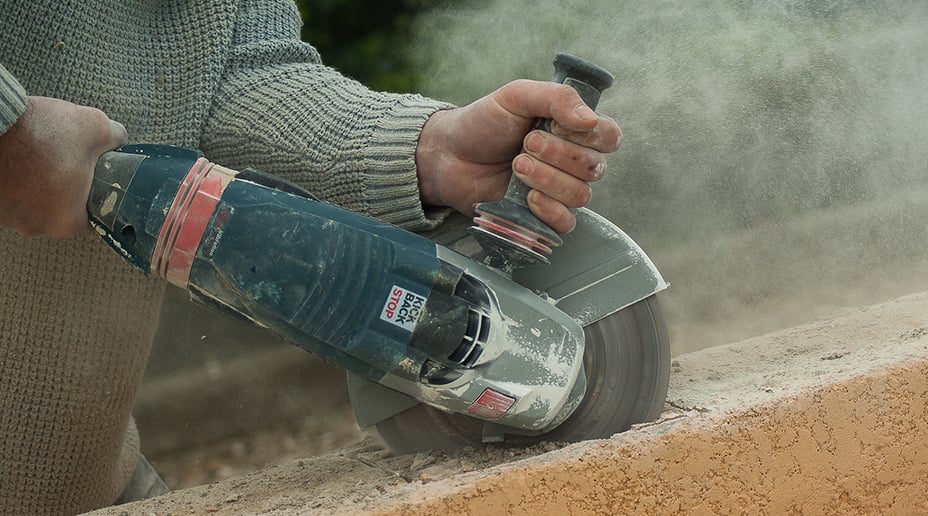
- Gardening tools, including power tools.
- Children's outdoor toys.
- Garden furniture.
- BBQ and patio heaters.
This is a general overview but will vary from policy to policy, so you’ll need to check whether your home insurance excludes high value items (because they exceed the limit you can claim for a single item), or if you need to insure certain items separately – for example, a garden sculpture, ride-on mower or top of the range BBQ.
If you have any livestock in your garden, such as outdoor pets or fish in a pond, they’re unlikely to be covered by your home insurance.
Yes. The things you keep in the garden shed, outdoor office or garden room are all covered under your home insurance for fire, theft and flooding. Depending on your policy, you may also have accidental damage cover, too... which may come in handy!
So, if tools or bikes are taken from the shed, or bad weather ruins your home office equipment, you're covered in the same way you would be for the contents of your home.
Remember, home insurance covers your belongings and the building itself, but if you only have contents insurance, you'll need to add buildings insurance to your policy to cover the physical structure of your garden room.

How to protect my garden from theft
We’ve teamed up with Dr Leroy Logan MBE, a former superintendent in the Metropolitan Police, and James Wong, an ethnobotanist and ambassador for Kew Gardens, for some insight into what thieves are targeting in our gardens, and some practical ways to protect your plants…
-
Out of sight, out of trouble
-
Natural defences that fight back
-
Make some noise
-
Plan your planting
-
Sow and grow
-
Tag it to track it
-
Watchful neighbours work wonders
Store your most valuable plants and garden ornaments in the back garden, away from prying eyes.
Thieves are often opportunistic and go for quick wins— so don’t make it easy for them. More exotic plants and trees can be a magnet for thieves so keeping these out of public view is smart security.
Simple steps like fencing, shrubs, or trellis screening can help reduce visibility from the street and keep your garden safe.
Plant thorny hedges like hawthorn or pyracantha around vulnerable gates, low fences and other access points. These don’t just look good, they work hard too, acting as a natural burglar deterrent.
Also Look to the earth for support - by using soil-based potting mix rather than compost in containers, your pots will be twice as heavy and harder to steal.
Lay down gravel paths or bark chips that crunch underfoot around key areas of your garden. These materials may seem like a simple gardening choice but in rural and suburban settings, this simple, and cost effective, step can alert you, or your dog, when someone is approaching, making it harder for thieves to sneak around quietly.
Newly planted plants and trees can be a magnet for thieves, especially prized or ornamental varieties. While still settling into the soil, they can be lifted in seconds, often vanishing before you've even had a chance to mulch them.
Lemon trees are the most appealing to thieves and retail for as much as £950, making them targets for opportunistic thieves!
So, to stay one step ahead, consider planting in winter when they’re dormant. They're less likely to catch a thief’s eye as there’ll be no flashy foliage, no obvious new growth… just a quiet start for what will become a garden standout come spring. They’re also likely to cost less and take better in winter… win win!
A clever security tip is to sow your lawn from seed. Unlike rolls of turf, no one’s going to be able to walk off with it. Best of all, it can cost a fraction of the cost of turf. Just remember to scatter, rake, and wait.
A lesser-known trick is to use a UV pen or plant-safe forensic liquid to mark valuables with your postcode. This creates a trackable link to you and your plants should you ever need to produce proof of ownership.
Always photograph rare plants or tools and keep a log, so you can act fast if something goes missing – this will be a great asset for the police if they need to get involved.
You can’t watch your garden 24 hours a day, so enlist the help of your neighbours! Set up a Garden Watch or share alerts via WhatsApp or apps like Nextdoor to keep your neighbourhood safe.
Community eyes are one of the strongest deterrents to garden theft. Also, if something rare is stolen, let your local garden centre or horticultural society know. These tight-knit groups often spot when unusual plants are being sold on.
What are the most expensive plants?
According to James Wong theseare some of the most expensive plants, and therefore the most attractive to garden thieves…

-
Bonsai
-
Newly-Planted Trees
-
Designer Hydrangeas
-
Variegated Monstera
-
Olive Trees
-
Peonies
-
Lemon Trees
-
Tasmanian Tree Ferns
-
Japanese Maple Trees
-
Windmill Palms
A 50-year-old Bonsai could be worth £5,000, and with the average tree standing just 50 centimetres tall these can be easily lifted by passing thieves.
These often fall foul of burglaries as they can be easily swiped from gardens before their roots take hold (especially if they’re smaller specimens.) Young trees like Magnolia grandiflora and Arbutus unedo are particularly at risk due to their light weight nature and high resale prices.
A new generation of designer varieties like ‘Annabelle’ have made these must-have designer plants, meaning potted plants of these (that aren’t even a metre tall!) can retail for £100.
A metre-high specimen can be worth well over £500. Something to think twice about before sitting your houseplants out for the summer!
These high value trees can live for hundreds of years, but often start life in small, swipable plant pots.
Peonies are some of the highest cost flowers for nurseries to produce. Add to that the collectors’ craze for unusual varieties and some rare forms can sell for over £200.
These trees, easily recognisable by their colourful fruit, retail for as much as £950, making them targets for opportunistic thieves.
These are often sold without their original roots, meaning thieves can sneakily clip a cutting. What's more, they can be worth as much as £100 for every foot they grow.
At full maturity they can be worth thousands of pounds, so housing one of these in an easy to pinch plant pot could put your tree at risk.
Smaller palm trees are usually found in containers and can retail for over £1000, making them a prime target for thieves.
How to protect my garden from winter weather
James Wong has some top tips on how to plant to protect your garden from bad weather…
-
Shielding greenery
-
Protective shrubs
-
Dense privet hedges
-
Strong rooted flowers
-
Erosion control plants
-
Evergreen shrubs
-
Hardy houseplants
-
Fragrant climbers
-
Evergreen ground cover plants
The glossy, evergreen leaves of climbers like Ivy (Hedera helix ) create a thick barrier of foliage which shield the walls they are growing on from both summer heat and winter cold and rain. Ivy has been consistently shown by scientific trials to actively protect plaster and brickwork by buffering the effects of adverse weather, as long as these are in good condition at the time of planting. Just remember to cut it back if it is at risk of growing into guttering or roof spaces. Always be cautious when undertaking any maintenance task that you aren’t familiar with, seek professional help where needed.
Shrubs like Euonymus ('Silver Queen') can be used in exactly the same way as climbers to create a living layer of insulation. Not only can they help prevent pipe damage from freezing solid in harsh winters, but can help disguise unsightly downpipes or taps behind a wall of beautiful silvery foliage. A win-win!
Privet (Ligustrum ovalifolium) is another, evergreen hedge which - when planted around homes as a low hedge - can protect their foundations from freezing and thawing cycles in two different ways. Not only do their thick canopies prevent the cold from reaching the foundations, but their moisture-absorbing roots also prevent water-logging, which work together to prevent cracks and shifting due to freezing soil.
Privet (Ligustrum ovalifolium) is another, evergreen hedge which - when planted around homes as a low hedge - can protect their foundations from freezing and thawing cycles in two different ways. Not only do their thick canopies prevent the cold from reaching the foundations, but their moisture-absorbing roots also prevent water-logging, which work together to prevent cracks and shifting due to freezing soil.
Plants with strong root systems like Periwinkles (Vinca major) help to stabilize soil and prevent erosion caused by winter storms, even the effect of melting snow and ice. The roots anchor the soil around foundations, driveways, and slopes, preventing runoff and protecting your property from water damage and potential subsidence.
The increasing trend to pave over front gardens may increase the risk of flooding in many urban areas. Rainwater runoff is no longer able to soak safely into the soil. Planting a gravel garden using a carpet of groundcover plants that can withstand being walked over like Creeping Thyme (Thymus serpyllum), will create a low-maintenance outdoor space which could help with flood prevention, but will still leave you with a functional driveway. Just one that is far more beautiful than a sea of concrete. A win-win!
Deep-rooted, evergreen plants like Holly (Ilex aquifolium) can prevent winter rain from pooling near the base of walls and seeping into basements or brickwork, which is especially helpful in older UK homes. This has a drying effect on external walls by absorbing moisture and water from the ground, helping to root out damp issues.
Winter conditions don’t just affect the outside of your home. Central-heated air can be drier than that of the Sahara, which can lead to minor health problems like sore throats and itchy skin. Adding a few hardy houseplants, like peace lilies (Spathiphyllum sp.) can help boost moisture levels as water evaporates from their leaves, helping to improve humidity.
This beauty, Almond-scented clematis (Clematis armandii), blooms with delicate white flowers carrying a sweet almond fragrance, opening in the middle of winter. Its evergreen leaves create an insulating air pocket around your home.
Evergreen groundcovers like Pachysandra (Pachysandra terminals ‘Green Carpet’) reduce soil splash onto walls, which can not only be unsightly, but can actually degrade brick or render over time. These leaves help to shield soil splash. Talk about low-maintenance curb appeal. ‘Always be cautious when undertaking any maintenance task that you aren’t familiar with, seek professional help where needed’.
How much can I insure my garden for?
Take some time to look around your garden and make a note of everything in it – things like plants, ornaments, garden tools, children's toys, furniture and garden room gear. It could total more than you think and would cost a lot to replace if a thief or severe weather were to strike. So, check the details of your home insurance policy, as very basic home insurance may not provide any garden insurance.
If you think you need more cover than what you have as standard on your home insurance policy, you may want to get in touch with your insurer to increase your level of cover. You may also consider adding accidental damage cover to those higher ticket items.
Remember, when you value the items in your garden, your lost or damaged items will be replaced with new items, so you’ll need enough insurance to cover the cost of replacing them at current prices, which could be higher than what you bought them for.
Allianz garden insurance
Every insurer will set a limit on the total amount of cover they’ll pay out, and how much they’ll pay out for an individual item. These limits will vary between insurers and cover levels, so make sure everything in your garden is fully insured by checking the cover limits in your policy documents.
At Allianz Online, we offer cover for your garden under our home insurance, so from fences and furniture, to BBQs and bicycles, we’ll protect your garden’s best bits - so you can sit back, relax and enjoy your little piece of peace.