Published 28 January 2026

How to look after your boiler and central heating
Are boilers and central heating systems covered under home insurance?
If you have a maintenance plan with an organisation where you pay for them to look after your boiler, check if they include breakdown service as part of the package.
Without specialist cover, your home emergency cover may help if your system suddenly stops working due to burst pipes, plumbing emergencies, electrical faults affecting your heating or boiler breakdowns requiring urgent repair.
With an Allianz Online Home Insurance policy, you can add our home cover plan through the Home Emergency optional extra, giving you up to £1,000 per emergency with no excess to pay. We'll arrange for a tradesperson to help with the problem.
If your central heating is damaged by events like fire, storm or vandalism, your main home insurance may cover repairs to both the structure of your home and its contents.
How to look after your boiler and central heating
Proper central heating maintenance is essential for a warm, comfortable home while avoiding costly breakdowns. Regular servicing keeps your system running efficiently, extends its lifespan and helps prevent emergency repairs during the coldest months.
Taking care of your heating system means lower energy bills and fewer disruptions, giving you peace of mind throughout the year while keeping your family cosy when temperatures drop.

How do you service central heating?
-
Safety checks first
-
Engineer inspection and clean
-
Post-service paperwork
Before servicing begins, a Gas Safe registered engineer will check for gas leaks and ensure proper ventilation. They'll examine the boiler exterior for damage, inspect flue paths for blockages and test carbon monoxide levels to confirm safe operation of your central heating system.
The engineer will open the boiler casing to inspect internal components including the heat exchanger, burners and controls. They'll clean key parts, check the pump operation and test the system pressure. Radiators will be inspected for even heating and may be bled to remove trapped air.
After testing that your central heating reaches target temperatures without leaks, the engineer will provide a service report detailing all checks performed. They'll document any issues found and recommend necessary repairs to your boiler or radiators. Keep this paperwork for insurance purposes and warranty validation.
If repairs are needed, the engineer can often fix minor boiler issues during the same visit, while major problems may require a separate appointment with replacement parts.
Why does regular central heating maintenance matter?
Imagine a cold week in December when your heating stops working. It's easy to take central heating for granted until you're left shivering in your home.
Regular boiler servicing costs around £100 in 2026, but this small investment brings significant returns. Proper maintenance improves efficiency (reducing energy bills), extends system lifespan, ensures safety, maintains warranty validity and can prevent costly emergency repairs. With Allianz Online Home Insurance, you can add home emergency cover (up to £1,000) as an optional extra for additional peace of mind.
How to maintain your central heating system
-
Schedule annual boiler servicing
-
Lag pipes for protection in loft spaces
-
Leave the heating on low in cold weather
-
Bleed radiators and check pressure
-
Test your boiler during summer months
Get your boiler serviced once a year by a Gas Safe registered engineer if you have gas central heating or an OFTEC registered engineer for oil fired heating. Annual servicing ensures your boiler runs efficiently and safely while extending its lifespan. A qualified Gas Safe engineer will check all components and identify potential issues before they become serious problems.
Safeguard against pipes freezing during winter by fitting ready-made lagging around water pipes exposed to the cold, particularly in loft spaces. This simple boiler protection measure prevents costly damage and ensures your heating works when you need it most.
When the weather turns cold for long periods, keep your boiler and heating on low during the night to stop your central heating pipes from freezing. This maintains a constant temperature and reduces strain on your boiler system, helping to prevent emergency breakdowns during the coldest times.
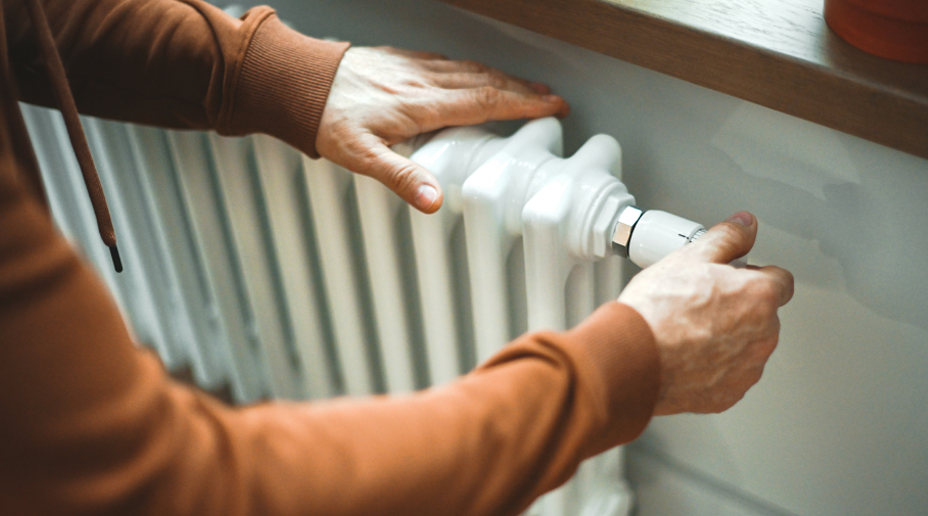
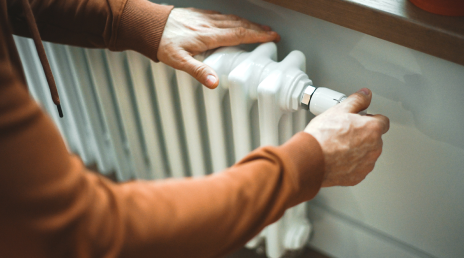
Letting pockets of air out of your radiators is known as bleeding them. If air builds up in a radiator, it will stop the water from circulating properly and the radiator will feel cold at the top. After bleeding radiators, always check your boiler's pressure gauge – bleeding can cause pressure to drop, which may need adjusting to keep your boiler running efficiently.
Switch the heating on for a few minutes each week during summer when you're not using it regularly. This helps keep the pump running freely and allows you to spot any potential boiler faults before winter arrives. If you notice any issues, call a Gas Safe engineer immediately rather than waiting until cold weather sets in.
What are some common problems with central heating systems?
Regular central heating maintenance can help prevent issues, but you don't need to be a qualified plumber to spot when something's wrong.
How to check-in on your central heating
- Check for cold spots at the top or bottom of a radiator.
- Check if the boiler flame is glowing yellow instead of blue.
- Check for a clanking sound coming from pipes or radiators.
- Check your utility bills to see if you're using more gas than usual.
- Check if your boiler pressure is too high or low.
- Check whether the pilot light keeps going out.
- Check for persistent low system pressure.