
25 March 2026

How to get your garden ready for spring
Spring brings longer days, pretty blossoms and (if we're lucky) warmer weather. So, how can you prepare your garden to make the most of all spring has to offer?
Swap your cold weather gloves for gardening gloves and start prepping. Clear away winter debris, tidy borders and get your plants ready for the season ahead. Stock up on seeds and bulbs, check your tools, and tackle any pests that have been hiding away. With a little effort now, you'll have a spring-ready garden to enjoy.
Your spring gardening checklist
-
Tidy up after winter
-
Prepare your garden beds and soil
During chilly months, it's tough to find the enthusiasm to venture out into the garden, so your space may need some attention before you can start planting.
Pick up any dead leaves and twigs, redefine the borders of your lawn and remove the dead stalks from perennials. You can even clear away moss, weeds and lichen by filling a bucket with boiling water and salt, and spreading the liquid across the area. You should also consider clearing your gutters of anything that may have built up over the winter months. Stay safe! Some gutter-cleaning jobs call for professional help.
Once you've tidied up, it's time to get your beds ready for planting. Dig organic compost or well-rotted manure into your borders to boost nutrients and improve soil structure. This gives your seeds and plants the best possible start when you're ready to sow in late spring.
Check your soil quality by looking at its texture and drainage. If it's compacted, loosen it gently with a fork to help roots establish. Adding a layer of organic matter now means your beds will be primed and ready when planting season arrives.
What should you plant in spring?
Bulbs and seeds to sow in spring
The end of winter is the perfect time to stock up on your favourite seeds and bulbs for late spring and early summer blooms. Plant these as soon as the weather warms up a touch – consider yellow trilliums, lilacs, hyacinths and daffodils for a really colourful selection.
For spring bulbs like crocus, daffodils and tulips, plant them in groups of at least six for the best impact. You can also start some seeds indoors on a sunny windowsill before moving them outside once the frost risk has passed.
Container planting ideas
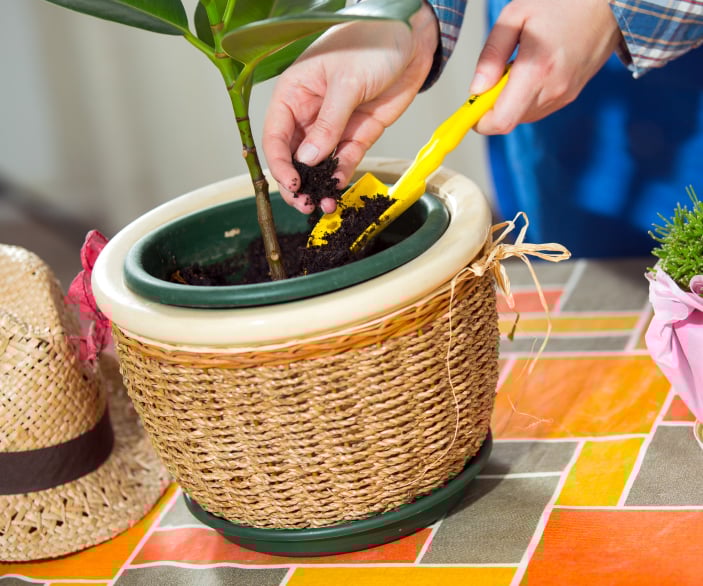
Containers come into their own when soil space is limited, making them ideal for small gardens, patios and balconies. You can grow almost any type of plant in a pot – from bedding plants to bulbs, herbs and even small trees.
For spring colour, try planting up pots with a mix of spring bulbs and early perennials. Choose patio or miniature varieties of plants if space is tight, and remember to use peat-free multi-purpose compost with good drainage.
How to deal with common garden pests
As spring arrives, spend some time checking for creatures that have hidden themselves away during the colder months. Snails, slugs and aphid colonies are likely to be found hibernating at the crowns of your perennial plants, so it's worth having a good look around your borders.
For organic pest control, encourage natural predators like ladybirds, lacewings and hoverflies into your garden by planting a variety of flowers. These helpful insects will naturally keep aphid populations in check.
You can also try hand-picking slugs and snails in the evening when they're most active, or use physical barriers like copper tape around vulnerable plants. The key is to work with nature rather than against it.
Spring gardening quick fire round
-
When should you start preparing your garden for spring?
-
What are the common mistakes in spring planting?
-
How do you prepare a vegetable garden for spring planting?
-
How do you get garden beds ready for spring?
-
How to protect your garden from theft
Late winter is the ideal time to start preparing your garden for spring. Aim to get started in February or early March, before the spring equinox. This gives you time to tackle essential tasks like pruning, clearing debris, and planning your planting layout. Check your soil is dry enough to work with by squeezing it – if it crumbles, you're good to go. If it clumps, wait a little longer.
Rushing to plant too early is a common pitfall. Many gardeners overlook soil temperature, planting seeds before the ground has warmed to at least 10°C, which can lead to poor germination. Ignoring local frost dates is another mistake – a late frost can wipe out tender seedlings. Overplanting is tempting, but cramming too many plants into beds leads to competition for nutrients and light. Finally, skipping pest checks means you might miss hibernating slugs, snails or aphids lurking in your beds.
Start by clearing debris and old plant stalks from your beds. If you're using raised beds, check they're in good condition and top them up with fresh compost. Crop rotation is key – avoid planting the same vegetable family in the same spot to reduce disease and pest build-up. Enrich your soil by digging in well-rotted compost or manure to boost nutrients, then plan your layout based on sun, shade and growing times for each crop.
Clear away fallen leaves, twigs and dead vegetation to give your beds a fresh start. Add a generous layer of compost to enrich the soil and improve drainage. Once you've prepared the bed, apply mulch to help retain moisture and suppress weeds. Make sure your beds are weed-free before planting, as spring weeds compete with your new plants for water and nutrients.
Check out our article on home insurance and your garden, for some top tips on how to protect your plants and which garden gadgets, plants and outbuildings are covered by your Allianz home insurance.
Happy planting!