
Published 27 February 2026

What is courtesy car cover and how does it work?
What is courtesy car cover?
If your car's off the road after an accident, you'll need a way to get around. That's where courtesy car cover comes in.
This optional insurance add-on gives you a temporary replacement vehicle while your car's being repaired or sorted out after a claim. Here's what this article covers:
- What courtesy car cover is and how it works.
- The difference between standard and guaranteed hire car options.
- Whether it's worth adding to your policy.
What is a courtesy car?
A courtesy car is a temporary vehicle provided to you while your own car is being repaired after an accident or incident. Think of it as a stand-in that keeps you mobile during those frustrating days or weeks when your car is off the road.
The courtesy car is usually arranged through your insurer's approved repair garage, and you'll typically get a basic model to cover your essential travel needs. It's a practical solution that saves you from expensive daily hire costs or the hassle of juggling lifts and public transport while you're waiting for your own vehicle to be fixed.
What does courtesy car insurance include?
What's included in courtesy car insurance depends on your level of cover and the type of car insurance policy you have. Most comprehensive policies offer some form of courtesy car provision, but the quality and availability vary significantly.
Standard courtesy car vs guaranteed hire car cover
Standard courtesy car cover provides a basic small vehicle (typically a 3-door hatchback like a Ford Fiesta) supplied by the repair garage while your car is being fixed at an approved repairer. It's only available while repairs are actively underway, and there's no guarantee a vehicle will be available when you need one.
Feature | Standard Courtesy Car | Guaranteed Hire Car |
Vehicle type | Basic small hatchback | Similar to your own car |
Provider | Repair garage | Professional hire company |
Availability | Subject to availability | Guaranteed from day one |
Write-off cover | No | Varies by insurer |
What is enhanced courtesy car cover?
Enhanced courtesy car cover (sometimes called like-for-like replacement cover or guaranteed hire car) provides a vehicle that matches your own car's size, type and specification. If you drive a seven-seater or a larger vehicle, you'll get something comparable rather than a basic hatchback.
This upgraded level is particularly valuable if you rely on a specific type of vehicle for work or family commitments like the school run.
Enhanced cover is typically added to your fully comprehensive car insurance policy as an optional extra. It ensures your car insurance policy provides genuine continuity, so you're not left struggling with an unsuitable replacement vehicle when you need courtesy car cover most.
How do you get a courtesy car?
Getting a courtesy car starts when you report an incident to your insurer. Once your claim is assessed and approved, your insurer will arrange repairs and sort out your temporary replacement vehicle. The process is fairly straightforward, but there are a few important rules and practical steps to know about.
Courtesy car rules to know
To qualify for a courtesy car, you'll need to make a valid claim and use your insurer's approved repairer network – this is usually a requirement for standard courtesy car cover. The vehicle is subject to availability, so it's not always guaranteed even if your policy includes it.
You'll typically need to be at least 25 years old to drive a courtesy car, and you're responsible for paying for fuel, parking and any fines. The courtesy car must be returned as soon as your repairs are complete.
It's also worth noting that glass damage claims often don't qualify for a courtesy car, and cover is generally only available within the UK.
Getting a courtesy car from your garage
Standard courtesy cars are typically provided directly by the repair garage, not a hire company. This means availability depends on the garage's own fleet – they may not always have one ready when you need it.
Using your insurer's approved repair network significantly increases your chances of getting a courtesy car, as these garages are set up to provide one as part of the claims process. If you choose your own repairer outside the network, courtesy car cover usually won't apply.
Once your claim is authorised and repairs begin, the garage will arrange the courtesy car for you to collect. Remember, glass damage repairs don't usually come with courtesy car cover, even at approved garages.
What type of courtesy car will I get?
Most standard courtesy car cover provides what's known as a Class A courtesy car – typically a small hatchback like a Ford Ka, Nissan Micra or similar one-litre vehicle. These are basic, economical cars chosen for their low running costs and availability.
If you drive a large family car or an SUV, you're unlikely to get a like-for-like match with standard cover. Garages provide whatever's available at the time, which is almost always a compact model regardless of what you normally drive.
Some insurers may offer diesel courtesy cars or petrol alternatives depending on what's in stock, but you can't usually specify your preference, and all cars are subject to availability.
Can you get a like-for-like replacement?
Yes, but only with guaranteed hire car or enhanced courtesy car cover. This upgraded option typically provides a vehicle of similar size and engine capacity to your own, so if you drive a seven-seater or estate car, you'll receive something comparable.
Like-for-like replacement comes at an additional cost on your policy, but it's worth considering if you regularly need a larger vehicle for work, the school run or family commitments.
Courtesy car cover benefits: is it worth it?
The good news is that courtesy car cover can be a lifesaver if you depend on your vehicle daily. For a small annual premium, you'll avoid the hassle and expense of being stranded without transport while your car's in the garage.
Here are the key benefits
- Peace of mind – you're not left worrying about how to get around after an accident.
- No disruption to your routine – keep up with the school run, commuting, and essential errands.
- Avoids expensive hire costs – daily car rental can add up quickly during repairs.
- Onward travel assured – you stay mobile from day one of your claim.
The key point is whether you rely on your car for essential journeys. If you need your vehicle for work, family commitments, or live somewhere with limited public transport, courtesy car cover is likely worth the modest cost. It's far cheaper than paying for a hire car yourself if repairs take several weeks.
What happens if you crash a courtesy car?
If you crash or damage a courtesy car, the vehicle is covered by its own insurance policy, but there are important things you need to know. Most courtesy car cover provides only third-party insurance rather than comprehensive, so you could be liable for an excess if you damage the vehicle – typically anywhere from £100 to £500 or more, depending on the provider's terms.
The good news is that a claim on the courtesy car usually won't affect your own no claim discount, as it's a separate policy. However, you'll need to declare the incident when you next renew your car insurance.
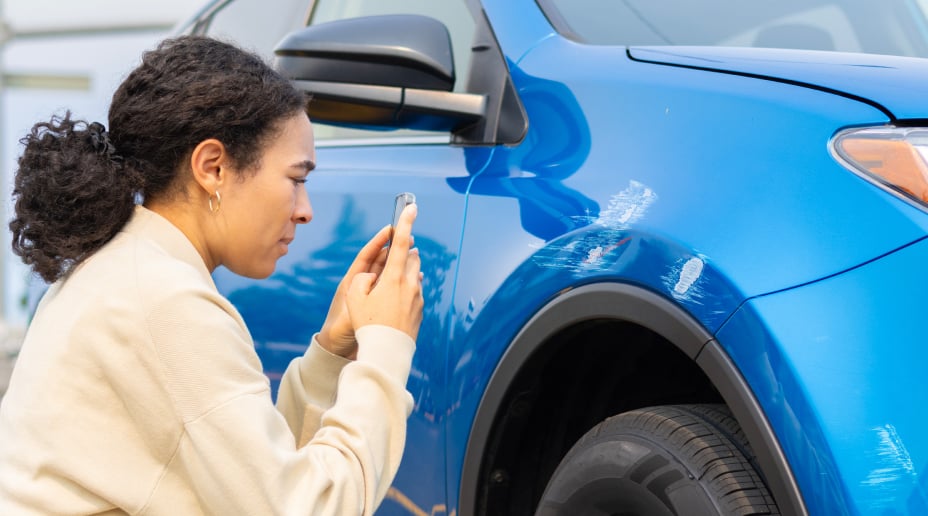
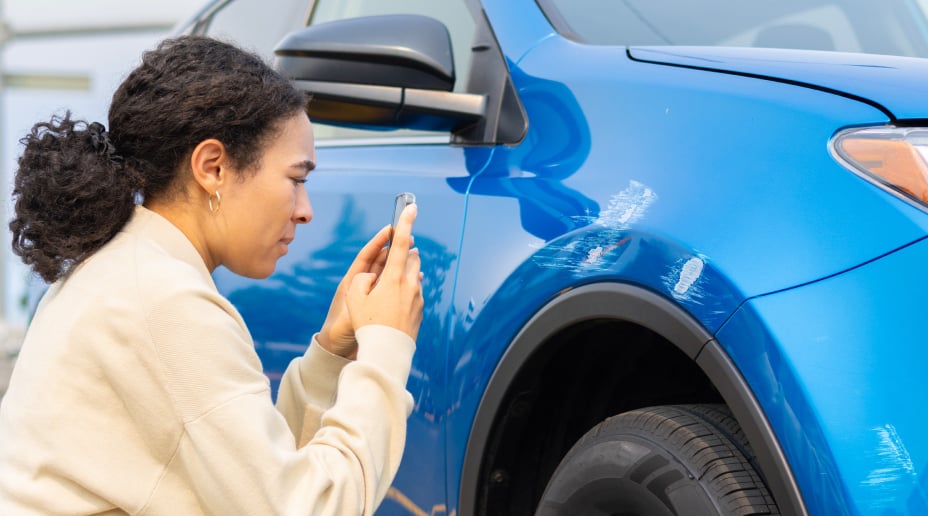
Before you drive away in a courtesy car, always inspect it carefully for existing damage – scratches, dents, or interior wear – and report anything you find immediately. Take photos if possible. If an accident does happen, follow the same procedure as you would with your own car: ensure everyone's safe, exchange details, and contact the garage or insurer straight away to report the damage.
Does comprehensive car insurance cover a courtesy car?
Many comprehensive car insurance policies in the UK do include basic courtesy car cover as standard, but not all of them. It's fairly common to find it bundled in at no extra cost, though some insurers offer it as an optional add-on for around £20-£50 per year.
If you have third-party only or third-party, fire and theft insurance, you're much less likely to get courtesy car cover included – and it's rarely available as an add-on with these policy types.
Even when courtesy car cover is included in your comprehensive policy, the level of cover can be quite basic. You'll typically get a small hatchback rather than a like-for-like replacement, and there may be restrictions on when it's available – for example, only while your car is being repaired at an approved garage, and not if it's written off.
FAQs about courtesy car cover
Standard breakdown cover doesn't usually include a courtesy car. If your car can't be fixed at the roadside and needs repairs, most basic breakdown policies will tow you to a garage but won't provide a replacement vehicle. Some breakdown providers offer 'Onward Travel' or 'Stay Mobile' upgrades that include a courtesy car for up to 72 hours if your vehicle needs garage repairs. Remember, courtesy car cover is mainly linked to insurance claims rather than mechanical breakdowns, so check whether your breakdown policy offers this as an add-on if you need that extra peace of mind.
In a non-fault accident, the at-fault driver's insurer may arrange a hire car for you, or you can use an Accident Management Company to handle the claim and provide a replacement vehicle. Your own courtesy car cover may also apply if you claim through your policy. The process can differ depending on who's handling the claim, so it's worth checking with your insurer about the best route. If you have special needs such as an adapted vehicle, make sure to mention this early in the claim process, as arranging a suitable replacement may take longer and require coordination with specialist hire companies.
Standard courtesy car cover usually ends when repairs stop, so if your car is declared a total loss, you may not be covered. Guaranteed hire car cover typically provides a vehicle for up to 14-21 days after a write-off to give you time to arrange a replacement. Check your policy documents to see whether total loss scenarios are included, and consider upgrading to guaranteed hire car cover if you need that extra buffer period.
Provisional licence holders are typically not eligible for a courtesy car due to age and licensing restrictions. Most courtesy car policies require drivers to be at least 21 or 25 years old and hold a full UK driving licence for a minimum period. Even if a provisional licence holder met the age requirement, they would need a qualified supervisor aged 21 or over in the passenger seat at all times, which isn't practical for courtesy car arrangements. If you hold a provisional licence and need transport after an accident, you'll need to arrange alternative travel until you pass your test or have a fully licensed driver use the courtesy car on your behalf.








.jpeg)
.jpg)