Published 11 May 2026

Driving in the dark compared to daylight is, well, night and day! It’s hard to know how to navigate driving in the dark safely, but we have some top tips to help…
- Use your car lights properly
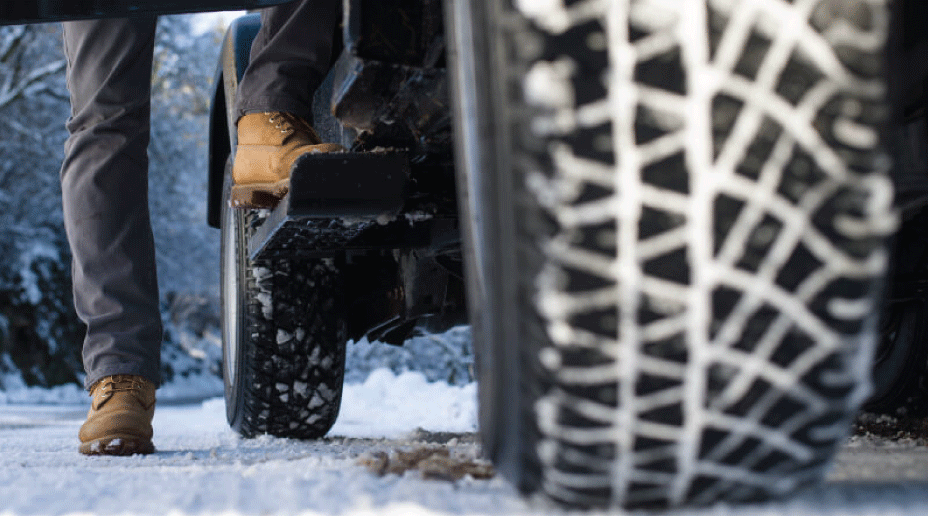
- Check your tyres are in good condition
- Drive slower
- Keep an eye out for black ice
- Keep your windscreen clean
How do you use car lights in the dark?
Having your headlights on seems obvious, but it’s not as simple as that. According to the Highway Code, sidelights and rear registration plate lights should also be lit when driving in the dark. It’s not just useful to do this in the dark though, you’ll want extra visibility in rain and fog, too.
It’s also worth keeping a torch and high-vis clothing in your car, just in case you breakdown in the dark – it’s important to stay safe and visible.
Should you check your tyres for winter?
Lower visibility in winter weather or darkness can affect reaction times for drivers. So, being able to rely on your tyres is essential for stopping, braking and swerving any obstacles.
Your tyres will need a tread depth of more than 1.6mm across their breadth and should be pumped to meet the tyre pressure criteria as set out by your car manufacturer. You can also get your tyres thoroughly checked during a winter service or your annual MOT.
Did you know you can get special winter tyres? Some garages will store your summer tyres for free over winter and vice versa. They’ll also be happy to give you a tyre tread check.
Should you drive slower in the dark?
If you drive your car at night, or early in the morning during the winter months, it’s likely to be dark, so give yourself extra time to react.
You can do this by leaving longer stopping distances (a larger gap between you and the car in front) and driving slower, to give yourself more time to spot any hazards in the darkness. Even a pothole could end up being your worst enemy on a dark road, so the slower the safer.
Remember, everyone on the roads is navigating through the same conditions as you, so make sure to be patient and give other drivers time and space.

What is black ice?
Black ice is where wet and freezing conditions combine to make ‘invisible’ ice. This can happen on any road, but less busy roads, or roads prone to potholes can often have it worse. It's also often found in sheltered road sections, such as under trees - and it’s even hard to spot in full daylight, let alone darkness.
So, if you're driving in icy weather, and you feel your car skidding, the key is not to brake or swerve, but to stay in control, gently slow down and remain calm. Swerving or braking suddenly could cause you to lose control of your car on the ice.
How to drive safely in fog
Fog can appear suddenly and dramatically reduce visibility, making it one of the most dangerous driving conditions you'll face.
So, whether you're caught off guard by unexpected fog or planning a journey when foggy weather is forecast, here's what you need to know:
- When and how to use your fog lights properly.
- Essential techniques for safe driving in poor visibilty.
- What to do if conditions become too dangerous to continue.
Why is driving in fog dangerous?
Visibility can drop to just a few metres in dense fog, making it nearly impossible to spot hazards, other vehicles, or even road markings until you're dangerously close. This creates a false sense of security, with many drivers unconsciously speeding up because their peripheral vision is limited, making them feel like they're moving slower than they actually are.
Thick fog also distorts your depth perception, so judging distances becomes extremely difficult. You might think the car in front is much further away than it really is, or misjudge how fast oncoming traffic is approaching.
The combination of reduced visibility and impaired judgement has led to some of the UK's worst motorway accidents – where multiple vehicles collide because drivers simply can't see what's ahead until it's too late.
- Check all your lights are working. This includes headlights, brake lights, and indicators. Clean the lenses too, as dirt can reduce their effectiveness when you need them most.
- Make sure you know how to operate your fog lights before you need them. Locate the switches on your dashboard or steering wheel stalk, and test them whilst parked to ensure they're functioning properly.
- Clear all windows completely, and use your demisters and wipers to remove any condensation or dirt. Fill up your windscreen wash resevoir, as you'll likely need it more in foggy conditions.
- Check your tyres have adequate tread depth and proper pressure, as wet roads from fog increases stopping distances significantly.
The golden rule: reduce your speed and increase stopping distance:
- Slow down so you can stop within the distance you can see clearly. Even if this means crawling along at 20mph or less, it's far better than risking a collision.
- Increase your following distance to at least four seconds - double the normal two-second gap you'd keep in clear conditions.
- Use your brakes gently to reduce speed rather than just lifiting off the accelerator. This warns drivers behind you that you're slowing down, as your brake lights will alert them even if they can't see you clearly.
Remember, stopping distances increase dramatically on wet roads that often accompany foggy conditions.
- Switch on your low beam headlights as soon as visibility drops below 100 metres - roughly the length of a football pitch. Never use full beam in fog, as the light reflects back off moisture particles and creates dangerous glare.
- Fog lights should only be activated when visbility becomes seriously reduced. Look for the symbol showing a wavy line with light beams on your dashboard or steering wheel stalk.
- Turn off fog lights immediately when conditions improve. The Highway Code requires you to switch them off when visibility returns to normal.
When visibility drops, road markings become your lifeline. Focus on the white edge lines running along the left side of the carriageway – these ribbed markings are specifically designed to guide drivers through areas prone to fog and poor visibility.
Don't follow the car in front by watching their tail lights, as this can lead you astray if they make an error or suddenly change direction. Instead, keep your eyes on the road markings, particularly the solid white line on your left.
Listen carefully at junctions – crack open your windows slightly to hear approaching traffic when visibility is severely reduced.
- Front fog lights help you see the road ahead – they're positioned lower than headlights and cut through fog without reflecting light back into your eyes. These aren't fitted to every car, but when available, they illuminate white lines and kerbs more effectively than standard headlights.
- Rear fog lights make you visible to people behind you – they're much brighter than normal tail lights and shine in the opposite direction to warn following traffic of your presence. Every car in the UK must have at least one rear fog light by law.
The key difference lies in their purpose: front lights improve what you can see at a greater distance ahead, whilst rear lights ensure others can spot you from behind. Both should only be used when visibility drops below 100 metres, and switched off immediately when conditions improve.
- Front fog light symbols show a lamp pointing left with diagonal lines slanting downward through a vertical zigzag line – this typically appears green on your dashboard when activated.
- Rear fog light symbols point in the opposite direction, displaying a lamp facing right with straight horizontal lines cutting through the same zigzag pattern. These usually illuminate amber or yellow when switched on.
You'll find these symbols on dashboard buttons, steering wheel stalks, or touchscreen displays depending on your car. Some vehicles combine both symbols on a single control, whilst others have separate switches. Check your owner's manual beforehand so you're not fumbling around trying to locate them when visibility suddenly drops.
- Dipped headlights are for when visibility starts to drop. Switch these on as soon as you notice the fog thickening, even during daylight hours – they help other drivers spot you from a distance.
- Rear fog lights can be activated when visibility falls below 100 metres. These bright red lights cut through the murk and warn traffic behind you of your presence.
- Front fog lights can also help if your car has them fitted, but they're not essential for safe driving.
Why? Because the light bounces back off water droplets and creates a dangerous wall of glare that actually makes visibility worse. Stick to dipped beams combined with fog lights when conditions are particularly thick, and remember to switch off your fog lights once the weather clears to avoid dazzling other drivers.
Using fog lights when they're not needed is illegal under UK law. The Road Vehicle Lighting Regulations 1989 specifically prohibit driving with fog lights activated when visibility isn't seriously reduced.
You can face a £30 to £50 fine if police catch you misusing fog lights, though no penalty points are added to your licence. The Highway Code Rule 236 states you must not use front or rear fog lights unless visibility drops below 100 metres – they dazzle other road users and can mask your brake lights.
What to do if visibility becomes too poor
How to safely pull over in fog:
- When fog becomes too thick to drive safely, finding the right place to stop can be life-saving. Look for designated lay-bys, service stations, or car parks rather than stopping on the roadside where other drivers might not see you in time.
- Signal early and check your mirrors before you begin to slow down, giving traffic behind extra warning of your intentions. Pull as far off the carriageway as possible.
- Once stopped, keep your dipped headlights on and activate hazard warning lights immediately. If you're on a motorway hard shoulder, exit from the passenger side away from traffic and wait behind the safety barrier if possible.
Using hazard lights when stopped
- Hazard warning lights become vital once you've pulled over safely in foggy conditions. These flashing amber lights alert other drivers that your vehicle is stationary and potentially creating an obstruction.
- Switch on your hazard lights immediately after coming to a stop – they're far more visible than regular lights in thick fog. You'll find the hazard button marked with a red triangle symbol, usually positioned centrally on your dashboard.
- Keep your hazard lights on for the entire time you're stopped, whether you're waiting for conditions to improve or for breakdown assistance to arrive.
- Remember to turn off all other lights except your hazards once stationary, as brake lights can confuse following drivers into thinking you're still moving.
- Exit your vehicle carefully if it's safe to do so, always using the door furthest from traffic.
You might also want to explore car insurance options that provide comprehensive protection for weather-related incidents. At Allianz, our policies cover you for the unexpected, so you can drive with confidence even when conditions aren't perfect.
How to keep on top of windscreen maintenance
How to keep on top of windscreen maintenance
When driving at night, it’s important to make sure your windscreen is as clean and clear as possible. Oncoming vehicles with bright headlights can create extra glare with all the grime that can stick to your windscreen.
Here are some of our top tips to make sure your windscreen stays as clear as possible.
Should I do a Pass Plus driving test?
Taking a Pass Plus course will teach you how to drive at night and in wet or wintery weather conditions, so a Pass Plus test could really help with your skills and confidence. can help you gain skills and confidence for driving at night and in wet and wintery conditions. You could also get more acquainted with your vehicle.
So, stay safe, don’t drive tired, and always make sure you’re prepared before the journey ahead.