For a small business, the effects can be even more devastating. Unlike a larger company, it might not have sufficient stock or deals with multiple suppliers to mitigate the effects of supply chain disruption. They can be often faced by the inability to get a part, or a spike in the cost of raw materials, and this could even mean the business goes under.
Delayed in transit
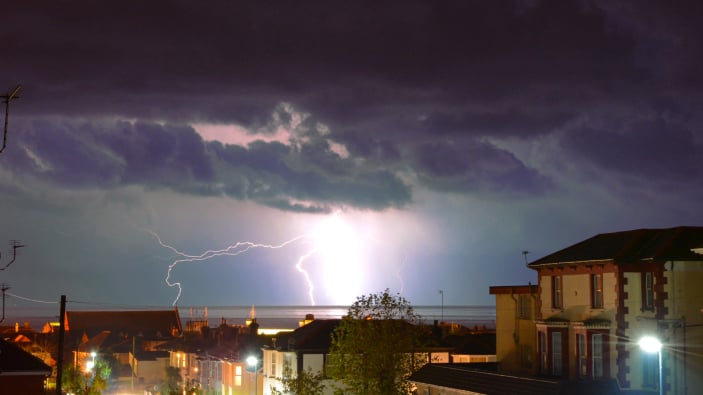
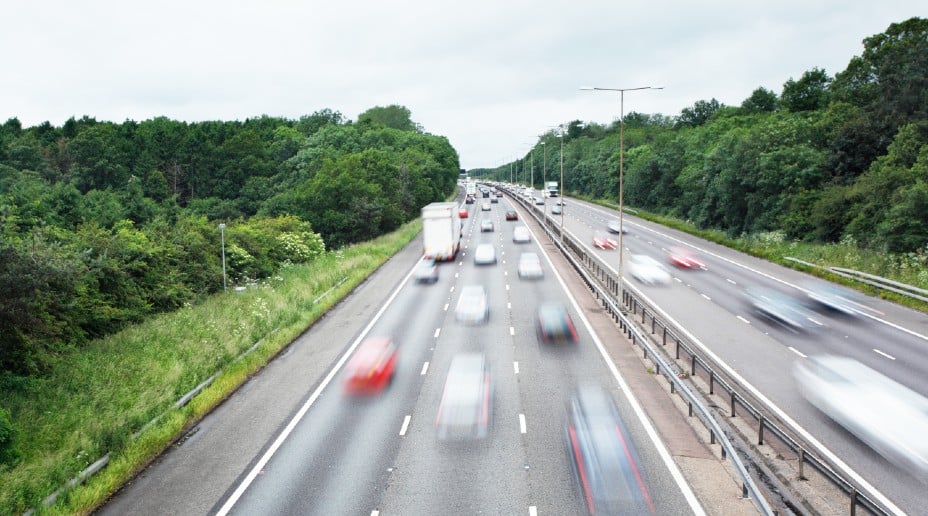
National transport links can also struggle with weather extremes. Heatwaves can cause roads to melt and lead to rail tracks buckling. Strongs wind and rain can also make transporting goods hazardous, with high-sided vehicles particularly vulnerable to crosswinds.
Even without an extreme weather event, transport can be affected by climate change. As the earth has warmed and ice sheets melted, sea levels have risen. According to the Met Office 2 the global mean sea level rose by about 20cm between 1901 and 2018, with the rate accelerating year-on-year. This will have ramifications for ports but also any infrastructure at sea-level.
Production line stoppage
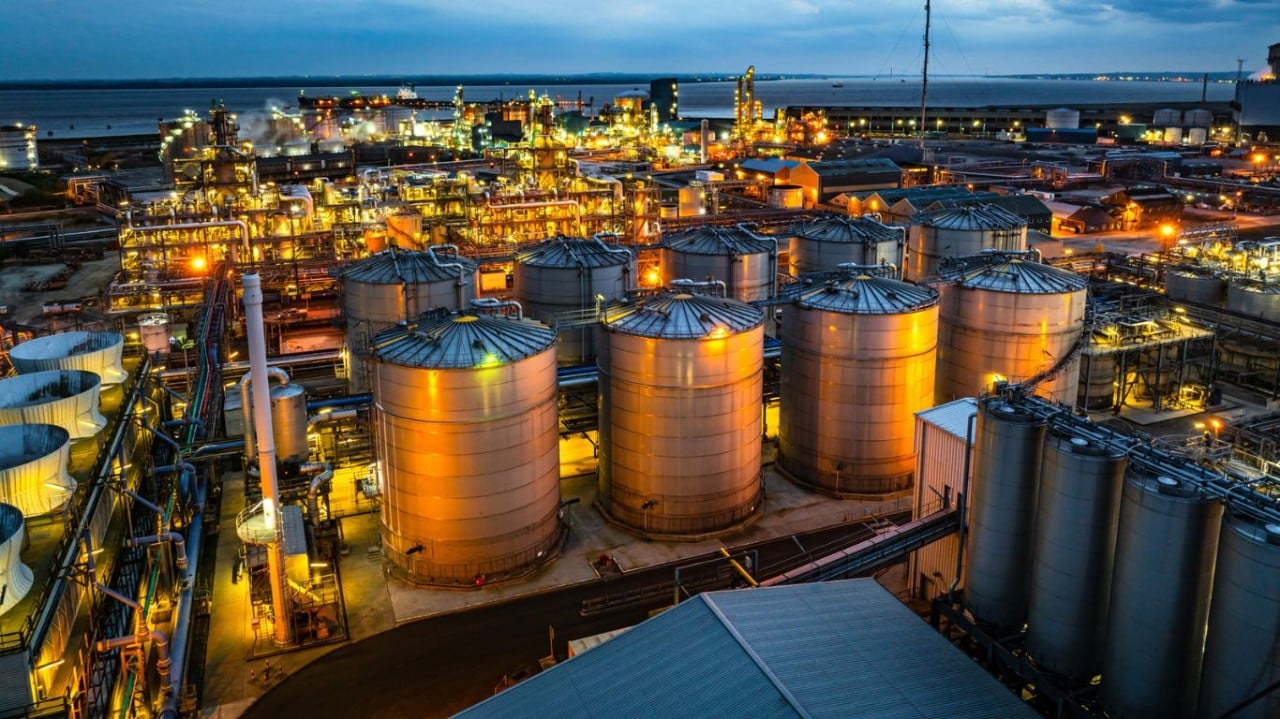
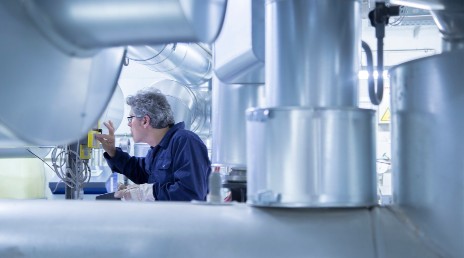
Climate change can also affect production around the world, potentially causing the supply of parts to reduce or stop altogether. This could be due to an extreme weather event, such as a flood or hurricane, making a factory difficult to access, or disruption to energy supplies restricting production. Heatwaves can also affect production lines, especially where employees may be affected by heatstroke.
As an example, severe flooding in Slovenia in 2023 had serious implications 3 for the motor industry. Every car produced in Europe has at least one part made in Slovenia and with production lines underwater, supply chains dried up.
The availability, cost and quality of raw materials can also be affected. Crops fail due to extreme weather and pests and diseases thrive, affecting yield and quality. For a food producer, this can mean higher prices and scarcity of ingredients.
Small business squeeze
Disruption to the supply chain can have serious implications for any business. Without a key component, a business’s own production line can grind to a halt. This can lead to increased costs, reductions in profits and customer satisfaction and even the risk of contractual disputes.




















.jpeg)