Updated: 19 March 2025

FOR INTERMEDIARIES ONLY
Avoiding Underinsurance in Construction
“Underinsurance in the construction sector poses significant financial risks and can leave projects vulnerable to unforeseen events like natural disasters and accidents. Without adequate coverage, stakeholders face substantial expenses which could potentially jeopardise project completion. Adequate coverage is essential to safeguard construction projects and help ensure project resilience.”
Christian Simpson, Head of Construction, Engineering and Energy, Mid-Corporate
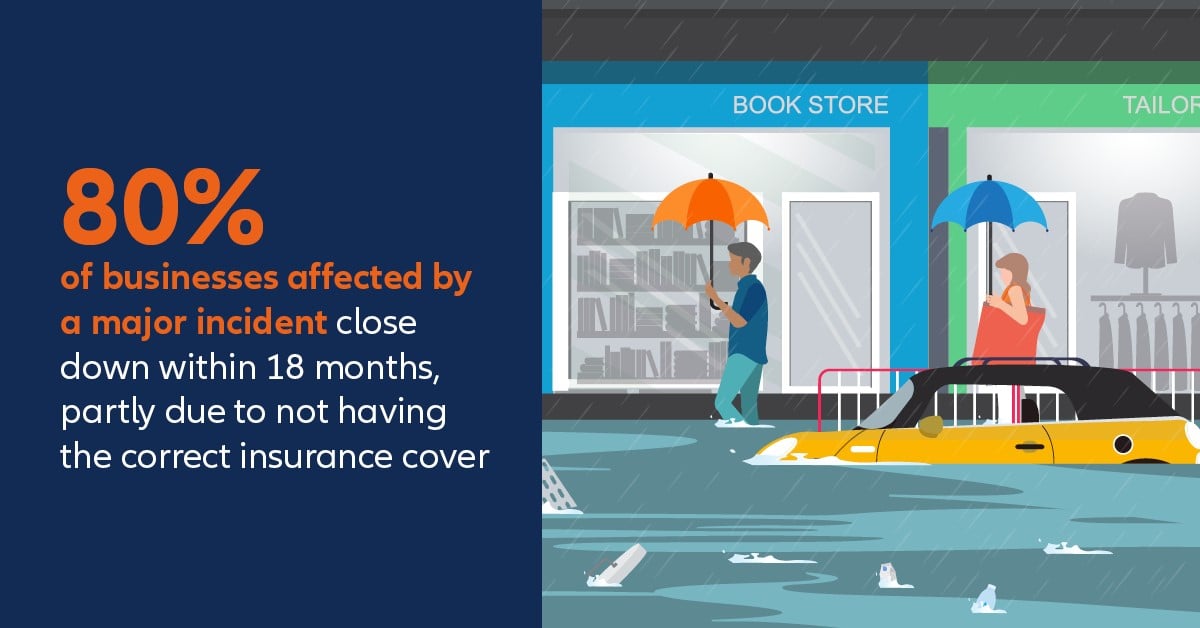
The number of UK businesses that are underinsured is increasing, and at the current time, as many as 80% of the UK’s SMEs could be underinsured by as much as 45%1. This means that a disturbing number of business owners may not be covered or claims payment reduced to reflect the element which is underinsured should they have to make a claim on their insurance.
Construction firms are at particular risk of being underinsured because in recent years the sector has been hit very hard by events like Brexit, the pandemic and the war in Ukraine which have led to labour shortages, supply chain issues and rising costs. This means that the risk profiles of construction projects have changed, often significantly, and if a firm’s insurance policies have not been updated to reflect these changes, it’s highly likely that it will end up being underinsured.
What is underinsurance?
A business is underinsured if it doesn’t have adequate insurance cover for its needs. For example, there might be gaps or exclusions which mean that the policy holder is not fully covered in the event of a claim. A business would also be underinsured if the insurance pay-out is not enough to fully cover the repair or the replacement of the asset that’s insured. In this scenario the business owner would have to cover the financial shortfall themselves and this could amount to many thousands, or even hundreds of thousands, of pounds.
Given the current economic climate in the UK, it’s understandable that people want to pay less for their insurance each month and it can be tempting to try and save money by taking out a lower-benefits policy. However, this is a false economy and could cost the business dearly if the policy leaves it underinsured. In the worst-case scenario, the financial losses could be so high that it forces the business into liquidation.
Alarmingly, many business owners are not even aware they are underinsured and won’t realise they are until they make a claim on their policy.

Why are so many construction businesses underinsured?
In recent years, UK businesses have had a lot to contend with and construction firms have been amongst the worst affected by global events and poor economic conditions. The type and level of insurance cover that a business requires will have been impacted by these factors, but they are not always considered when taking out a new policy or renewing a current one.

Supply chain disruption
Supply chain disruption is now widespread, and the cost of materials has also increased significantly making it difficult for construction firms to stay within timescales and budget. In addition, it’s estimated that 1.2 million workers will leave the industry in 2023/20242. Leading to construction and engineering projects often being significantly delayed, and sometimes even abandoned. As a result, construction businesses are more and more likely to find themselves having to claim on their insurance.
Theft
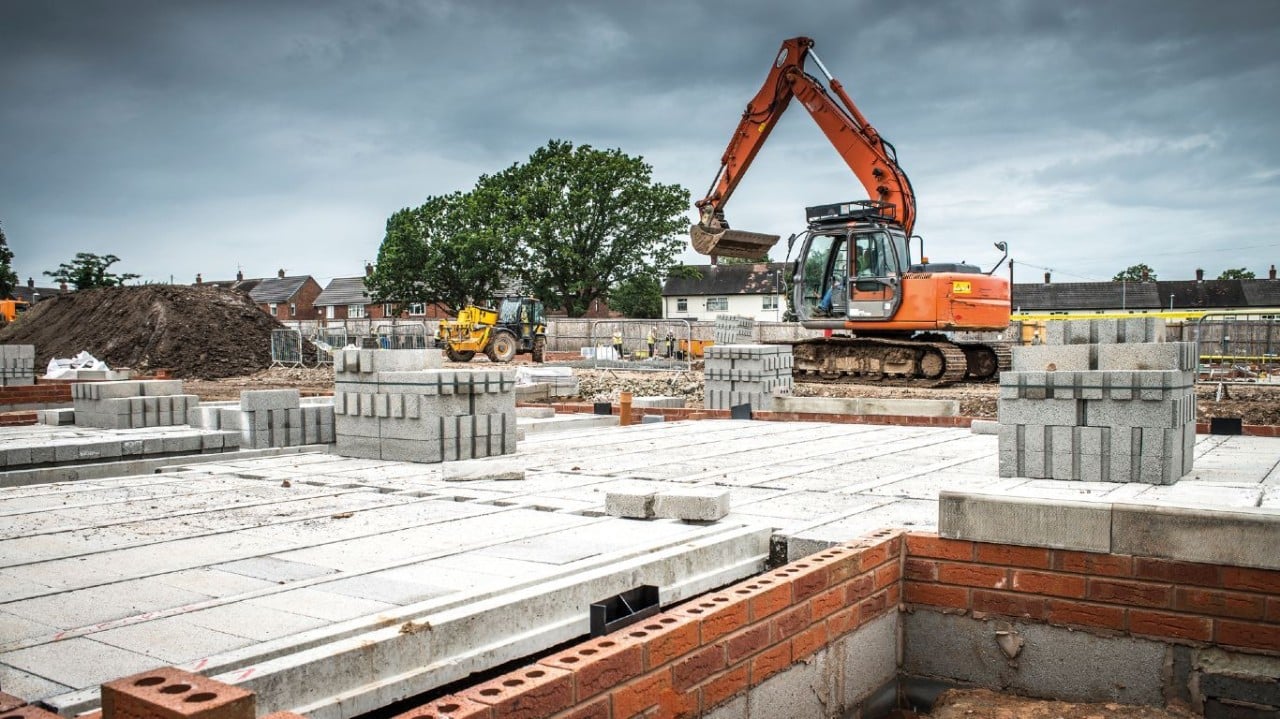
There’s also been a marked rise in plant theft from construction sites. As the cost of machinery and equipment increases, criminal gangs are targeting construction sites in the knowledge that any stolen items will have a high resale value on the black market.
Not only are construction firms more likely to be victims of theft, but the cost of replacing any stolen items is also likely to be much higher due to inflationary impacts. Therefore, if the insurance policy hasn’t been updated to reflect the increased risk profile and replacement costs, it’s highly possible that the business will be impacted by underinsured.
Economic environment
Construction projects could also be at risk of underinsurance because they’re typically insured based on the value of the contract. If inflation causes project costs to increase, then the original insurance cover may not be sufficient to cover the updated contract value and the building reinstatement will be impacted.
Building reinstatement shouldn’t only cover the cost of rebuilding and labour, It should also take into account any ancillary costs, such as debris removal, professional fees and energy requirements for construction. Discrepancies between what is and isn’t covered could leave the construction business with inadequate cover for the project and if the project is delayed or cancelled, the business could find itself in a financially vulnerable position.
How to avoid being underinsured
Insurance policies should be regularly reviewed and updated to reflect the current state of operations. Construction projects are susceptible to unforeseen events such as natural disasters, regulatory changes, or economic downturns and if insurance policies are not updated to reflect these changes the business could experience the impacts of underinsurance.
For this reason, it’s crucial that business owners speak to their, broker or insurance provider, to determine the correct risk profile for their business operations and stay up to date with information about events that might impact on their insurance cover.
To avoid being underinsured, businesses should:
- Regularly review insurance policies to make sure they know what’s covered and what’s not.
- Check that their indemnity periods are still sufficient. Delays and supply chain issues might mean that they need to extend cover periods.
- Identify the potential risks and liabilities that their business may face.
- Ensure that their level of cover is sufficient to protect their assets. If the value of their possessions or property increases, they’ll need to adjust sums insured to reflect any increases.
- Ensure they have regular conversations with their broker, who is best placed to advise customers about the level of cover they need. Conversations should focus on the current business position and help to highlight emerging gaps in cover requirements.
- Keep an inventory of their possessions. This can help businesses accurately estimate the value of their belongings so that when they make a claim, they know how much it will cost to repair or replace them.
- Not be tempted to take out a cheaper policy. Although a lower-benefits policy may seem attractive because the monthly premiums are lower, if this leaves you underinsured, the financial outlay you’ll have to make in the event of a claim could be much, much more than any difference in savings.
Remember, the key to avoiding being underinsured is for businesses to regularly reassess their needs, stay informed about their coverage, and adjust the policy to reflect the current insurance requirements. Business owners may not appreciate how rising costs affect their cover, or may underestimate, or fully understand, the risks associated with their business operations. For this reason, it's always a good idea to consult with a qualified broker to ensure that they have adequate protection for their specific situation.