Published 5 May 2026

Driving in heavy rain, snow and different weather
Tips for driving in heavy rain
Our top tip is simple. Drive carefully. When driving in heavy rain especially, keep your distance from the car in front in case they slow down or stop suddenly.
On wet roads, the highway code recommends doubling the normal two-second gap, giving us a stopping distance of four seconds in heavy rain.
Your car’s condition is especially important when you’re driving in bad weather, so it’s vital you keep on top of your car maintenance and check your car’s tyre tread. You only need a 20p coin to do this so it’s worth checking out this handy video which walks you through it.
Once you’re actually driving, make sure you reduce your speed. Not only will your visibility be reduced by heavy rain, but your stopping distance will be increased. Look at Rule 227 of the Highway Code for more on this.
Make sure you’re using dipped headlights so other drivers can see you; don’t use fog lights though, as it just dazzles other drivers and makes it even more dangerous for them.
Lastly, be gentle on the accelerator and brake pedals because sudden changes in wheel rotations can lead to aquaplaning, where you skid over water and lose control of the vehicle.
How to drive safely in snow
Why did the snowman fail his driving test? Because he got cold feet on the pedals! Seriously though, ice on the road and driving in a blizzard is snow joke.
You should only drive in snow or icy conditions when it’s absolutely necessary. If the journey's essential, remember to drive slowly and carefully and leave plenty of time to get where you’re going. Check out the Government’s advice and laws (Rules 228-231) on driving in snow.
Cold, snowy weather can be fun, even magical, for some... but only to a certain degree. You need to make sure your windscreen is completely clear – not only scraped around the main area you’re looking out of. You should also clear your roof, windows, and lights of any snow that's settled, as not doing this could result in points on your licence.
Just like driving in heavy rain, stopping distances will be significantly increased when driving in snow – keep well back from the person in front as it can take ten times the distance to stop on snow compared to dry roads.
How do I drive safely in windy conditions?
Driving in good weather is a breeze compared to driving in strong winds. You need to take extra care when driving in windy conditions – particularly across long, open stretches, and also when passing bridges, or where there’s a gap in the shrubs. Even though taller vehicles are generally affected most by this, gusts of wind can put any vehicle off course.
Lighter vehicles, like small hatchbacks and motorbikes, should be particularly cautious when overtaking taller vehicles due to the differing turbulence of air around the larger vehicle.
If you can't avoid driving in a storm, there are some things to keep in mind to help you stay safe in windy conditions:
-
Drive slowly
-
Watch out for exposed areas
-
Be careful on smaller roads
-
Hold the wheel firmly
-
Avoid overtaking
-
Leave extra space
-
Watch for Debris
-
Carry essentials
-
Be vigilant
High winds will affect handling and braking. Driving slowly will help you maintain control of your car, even when a sudden gust comes along.
Open stretches of road with fewer buildings have less protection from strong winds. Keep an eye out for exposed roads and be ready to slow down if needed.
Narrow routes lined with trees or buildings can create wind tunnels which are tricky to drive in. They can also be shared with cyclists and pedestrians, so take extra care.
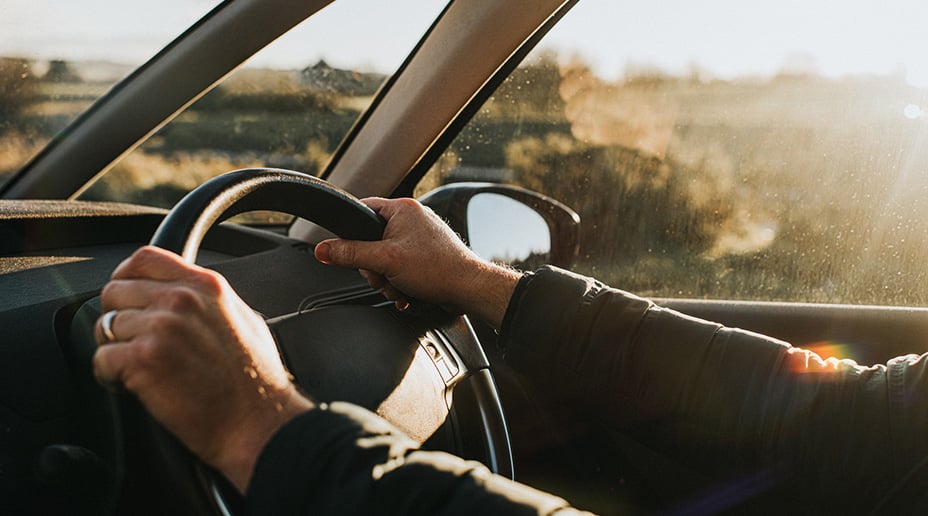
A sudden gust can catch you off guard. Make sure you're in control of the vehicle by always keeping both hands on the steering wheel. Grip frimly enough to stay in control but not so tightly that you restrict movement.
Avoid overtaking when the winds are extremely high. Overtaking large vehicles can be especially difficult as it may result in a sudden gust as you go past.
Give cyclists and other road users as much room as you can, they can be blown off course suddenly by the wind your car creates.
Storms often bring down branches, roof tiles or other objects. Stay alert to avoid unexpected obstacles.
High winds can force you to pull over and stop your journey. Pack warm clothes, snacks, a torch and a portable phone charger so you're prepared.
It's important to stay alert when driving, especially during storms and winds. Make sure you're keeping an eye on what other drivers are doing and adjust your own driving if necessary.
How can I park safely during a storm?
Once you've reached your destination, think carefully about where you stop. Here are some things to keep in mind when parking during a storm:
- Don't park under trees, near buildings or structures that could fall.
- If you have a garage, move your car into it, minimising the risk of wind or flood damage.
Even in normal weather conditions, finding somewhere to park can be stressful. Read more here for tips on parking.
What should I do if my car breaks down during a storm?
There's a few important things to remember if you do find yourself broken down during a storm:
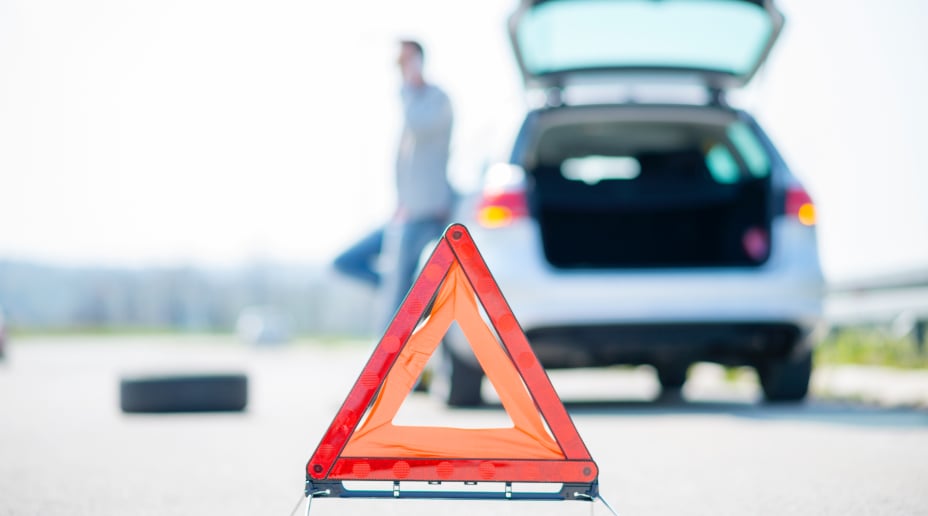
- If you're stranded in the middle of the road, put your hazard lights on so other drivers can easily see you.
- Avoid leaving the car unless there's somewhere safe to wait. Leaving the vehicle while the roads are dangerous or dark puts you at risk as a pedestrian.
- Call your breakdown service, or the emergency services if needed, and wait for them to arrive.
What should I do if there's flooding?
Storms often come with heavy rain and flooding. Here's what to do if you come across excessive water on the road:
Check for an alternative route: Before trying to drive through a flooded area, always check to see if there's a different route you can take. Only attempt to cross flooded roads as a last resort.
Stop and assess the situation: You can never be sure of the depth of water or the state of the road underneath without taking a close look. If you're crossing at a ford, there may be a water depth gauge at the side of the road. Also check the area for other hazards such as floating debris or downed power lines, where the electric current could be conducted by the water.
Check the depth: Avoid driving through standing water deeper than six inches - if it comes over your wellies, don't risk it. You should never drive through moving water deeper than four inches, in case your car is swept away.
Take care when passing other vehicles: Avoid following other drivers that could cause you to go off course. Large vehicles are especially dangerous as they can create waves that push the water higher than expected.
Aim for the highest part of the road: Usually the highest part of the road (the crown) will be in the middle, as most roads are designed to let water drain off the sides. Make sure you keep your eyes peeled for hidden dips where the water could suddenly get deeper.
Park safely: Try to park on high ground, ideally at the top of a hill or slope.
Following these tips will help keep you safe during windy and stormy weather. Always remember to check the weather forecast when you're planning your journey.
So, now you know how to drive in different weather. When the forecast is particularly bad, it’s best to take a raincheck on your journey unless it’s considered essential travel. And make sure you’re covered in case something doesn’t go to plan.
With Allianz Online Car Insurance you manage your policy yourself online, so it’s fast, flexible and you can make changes without admin fees.

.jpeg)
.jpg)