Misfuelling is more common than you might think – it happens around once every three minutes in the UK. But knowing what to do straight away can prevent costly damage to your car's engine. This guide covers what happens when you use the wrong fuel, the steps you should take, and how your insurance can help.

Misfuelling: What should I do if I put the wrong Fuel in my car?
Published on 5 March 2026
What does misfuelling mean?
Misfuelling means putting the wrong type of fuel into your car – for example, petrol in a diesel or vice versa. It's a common mistake that happens to lots of people at the pump. If it happens to you, there's no need to panic, but it's important to know what to do next.
What should you do if you put the wrong fuel in your car?
If you realise you've misfuelled, don't panic – but do act quickly. Follow these steps to protect your engine and get back on the road.
Don't start the engine or turn the key in the ignition
This is the most important step. If you've already driven off before realising the mistake, stop in a safe place as soon as possible.
Starting your engine allows the wrong fuel to circulate through the system, spreading contamination to the fuel lines, filter and injectors. This can cause serious damage and turn a simple drain into an expensive repair job. Keep your key out of the ignition to prevent the fuel pump from moving the wrong fuel around.
Call for wrong fuel rescue
Get in touch with your breakdown provider or insurance provider straight away. Your policy may cover misfuelling, so check what help is available and follow their instructions.
Many providers offer 24/7 wrong fuel rescue services with trained technicians who can come directly to you, whether you're on the forecourt or at the roadside.
Arrange a fuel drain and flush
If you have our breakdown cover, they can come out and drain your fuel tank on the spot.
A proper fuel drain involves emptying the tank completely, removing contaminated fuel from the lines and filter, then flushing the system with clean fuel to clear any residue. The technician will add the correct fuel to get you moving again safely.
What happens if you put petrol in a diesel car?
It's more common for petrol to be put into a diesel car – the petrol nozzle is smaller and fits easily into the diesel tank. This can be a serious problem as diesel cars use the fuel to lubricate the engine and reduce wear and tear, but petrol acts like a solvent and strips away that protection.
The damage can be far-reaching and could lead to you needing to replace the whole fuel system, which means a hefty repair bill. If you start the engine after misfuelling, you might notice telltale signs such as a noisy engine, difficulty starting, excessive smoke from the exhaust, or the engine misfiring. It's best to avoid starting your car after you misfuel, as this can prevent further engine damage.
What happens if you put diesel in a petrol car?
While the diesel nozzle is bigger, making it trickier to fill a petrol car with diesel, it's not impossible. This mistake happens more often than you'd think.
If this happens, the diesel will clog your fuel system and stop the car from starting. Don't try to start the engine – have your car towed to a garage where they can drain the tank and protect your vehicle from damage. Older vehicles may be particularly vulnerable to fuel system issues.
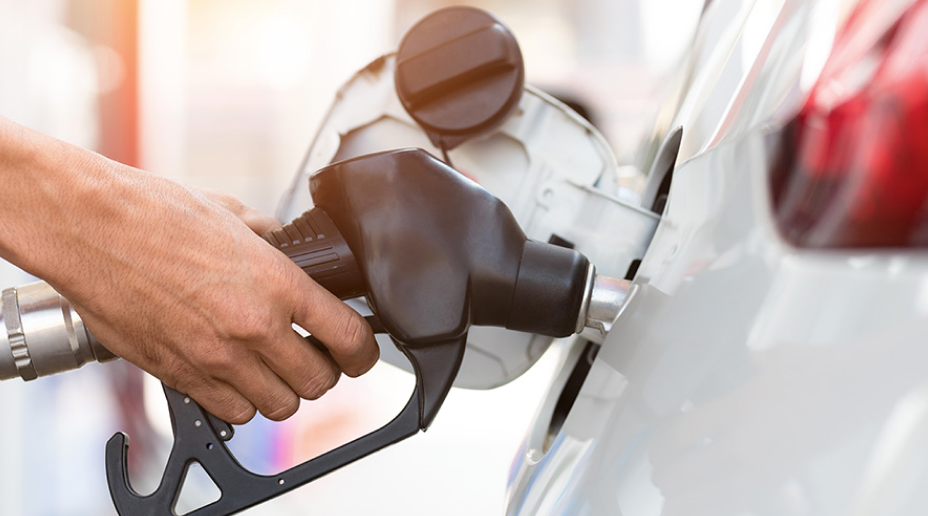
How can you prevent misfuelling?
- Don't get distracted when you're at the pump.
- Check the label of the pump you've picked up.
- Your car may have a sticker inside the fuel cap with the name of the fuel. If it doesn't, add one yourself to remind you.
- Before you start filling, check the labels on the pump and fuel cap are the same.
- Consider a misfuelling prevention device or misfuelling cap – these fit as a direct replacement for your existing fuel cap and physically block the wrong nozzle from entering. They're especially useful if you regularly use different cars with different fuel types.
Misfuelling FAQs
The price of draining your fuel tank typically ranges from £150 to £300. However, if you've started the engine after misfuelling, the repair bill can be much higher. Engine damage from contaminated fuel can cost thousands to fix, with some cases reaching up to £5,000 in extreme situations.
Around 150,000 people in the UK misfuel their vehicles each year. It's more common than you might think – nearly one in five motorists admit they've made this mistake at least once. Younger drivers and those who regularly switch between diesel and petrol cars are particularly at risk.
No, you should never start your engine if you've put petrol in a diesel car. Starting it circulates the contaminated fuel through your fuel system, which can cause serious damage. You may notice signs like a smoky exhaust or difficulty starting. Keep the engine off and call for help straight away.
Misfuelling cover is insurance that protects you if you accidentally put the wrong fuel in your car. With our Allianz Online Silver and Gold cover levels, you're covered for misfuelling – so if you put the wrong fuel in your car and start it by mistake, we'll pay to drain and flush your fuel tank and fix any damage to your car's engine. You'll need to provide receipts for any repairs you've arranged.*
*You will have to pay an accidental damage excess – we'll tell you how much that is when you make a claim.
Whatever happens, it's good to know that with Allianz Online Car insurance you're in control 24/7.






.jpeg)
.jpg)