21 July 2026

For intermediaries only
On the road to change: What the government’s Road Safety Strategy means for motor fleets across the UK
The Department for Transport has announced its first road safety strategy in over a decade, setting out ambitious targets for reducing deaths and serious injuries on Britain’s roads. Gerry Ross, Head of Commercial Motor at Allianz UK, outlines the government’s proposals and how they will affect fleet managers.

“Improving road safety is fundamental to everything we do in Commercial Motor. With the direction of travel now clearer, fleet operators have a real opportunity to act early - building safer behaviours today, adopting new technology and strengthening their risk management approach ahead of regulation. Doing so not only prepares them for what’s to come, but delivers immediate benefits too, helping to protect drivers, businesses and other road users. And we’re here to support them with the tools and expertise to do just that.”
Gerry Ross, Head of Commercial Motor
Road safety statistics in Great Britain (England, Scotland and Wales)
Great Britain has some of the safest roads in the world but, with an average of four people killed each day and thousands more are seriously injured every year, so there is more that can be done.
1,602 people killed on Great Britain’s roads in 2024
27,865 people seriously injured on Great Britain’s roads in 2024
£3.1bn estimated medical and ambulance costs from collisions in 2024
£6.9bn estimated lost outputs due to collisions in 2024
To help make Britain’s roads safer, the government has published its Road Safety Strategy. In this, it sets out the following targets:
- 65% reduction in the number of people killed or seriously injured on roads in Great Britain by 2035
- 70% reduction in the number of children killed or seriously injured on roads in Great Britain by 2035.
It’s a positive move for all road users. In its response to the Transport Select Committee’s Call for Evidence, the Association of British Insurers (ABI) welcomed the strategy, describing it as "a significant shift in national road safety policy, setting clear and measurable targets".
To help it the government achieve these targets, the Safe System is at the heart of the strategy. The Safe System is an internationally recognised and evidence-based approach that was devised in Sweden in the 1980s. It accepts that while human error is inevitable, its impact can be minimised by designing the road and vehicle environment to protect people as much as possible.
Early adopters of the Safe System approach, including Sweden and the Netherlands, have seen powerful results with a report by the European Commission 4 pointing to reductions in fatalities ranging from 30% to 50% over several years.
Using this approach, the Road Safety Strategy outlines a series of proposals under four themes – supporting road users; taking advantage of technology, innovation and data for safer vehicles and post collision care; ensuring infrastructure is safe; and robust enforcement to protect all road users.
What the Road Safety Strategy means for fleet managers?
Whether it’s an HGV, a company car or even an e-cycle, vehicles used for work make up a large proportion of the traffic on Britain’s roads. Unfortunately, they also account for a significant share of road deaths and serious injuries. The Government’s Road Safety Strategy highlights that approximately one in three of all road traffic fatalities UK‑wide involve someone who is driving or riding for work, this is also supported by national road casualty data 5.
The Road Safety Strategy recognises this and includes proposals that will make driving for work safer. Here, we outline the proposals under each theme, how they affect fleet managers and what they can do to prepare for any changes.
Theme One: Supporting road users
This focuses on making road users safer. To do this, the government will consult on areas such as a minimum learning period for learners; mandatory eyesight testing for drivers over age 70; lower blood alcohol limits for novice drivers; and reforms for the training, testing and licensing regime for motorcycles.
While changes resulting from these consultations may need to be reflected in work policies, one of the key proposals for fleet managers is a two-year pilot of a National Work-Related Road Safety Charter. This will promote good practice and the accountability of organisations and their workers. Although the details are still to be determined, the Road Safety Strategy points to schemes such as National Highways’ Driving for Better Business programme, DVSA’s Earned Recognition scheme and the TyreSafe programme as potential models.
Another important proposal for fleet managers is the adoption of a lifelong learning approach to road safety education and training. The ABI welcomes this proposal, stating “Lifelong driver education recognises that driving is not a static skill. Regular opportunities to refresh knowledge helps ensure that motorists continue to drive safely and responsibly through their lives, rather than relying solely on what they learned at the point of first licensing.”
Regular driver training and education can help reduce risk across a fleet. Refreshing skills and training drivers on new safety technologies or road conditions can improve driving and reduce the risk of accidents and insurance claims.
Given these benefits, fleet managers may wish to consider adopting many of these proposals in driver handbooks and across fleet management ahead of their formal introduction. At Allianz, we can support you with a range of tools and initiatives that help to improve driver safety. These include discounted driver training, including on-road training, online risk assessments and workshops, through our partnership with DriveTech, part of the AA.
Theme Two: Taking advantage of technology, data and innovation for safer vehicles and post collision care
The second theme explores how technology and data can help to make the roads safer. This will include the government consulting on making 18 new vehicle safety technologies mandatory; collaborating with industry to provide clear, accurate information on advanced driver assistance systems (ADAS); and ensuring data is used effectively to support road safety and post collision care.
Technology has a major role to play in modern fleets.
ADAS are already helping to make roads safer, both through reducing collision risk and supporting drivers in real time. Recent UK research indicates that 55% of drivers say ADAS has actively prevented a collision in the past year while 82% report feeling safer when using vehicles equipped with these systems 6. Alongside this, the Department for Transport continues to build ADAS into its evidence base for future road safety policy 7, recognising technologies such as automated emergency braking and lane keeping as key tools in preventing and mitigating collisions. With the government now consulting on mandating a range of safety technologies, including autonomous emergency braking (AEB) and lane-keeping assistance, the role of ADAS in improving safety outcomes is only set to grow 8.
Data from in-vehicle safety technology such as dashcams and telematics can also enable fleet managers to identify and manage risks. More advanced technology can even monitor driving in real-time and provide coaching to prevent dangerous driving behaviours.
For example, at Allianz, we offer access to discounted risk management technology through our partnerships with providers including Lightfoot and Samsara. Lightfoot’s award-winning technology uses real-time, in-vehicle feedback and driver rewards to reduce risk and support safer driver. Samsara’s comprehensive risk management platform uses AI powered camera technology to improve safety and fleet efficiency.
Reactions to the Road Safety Strategy
Alex Thompson, Principal Automotive Safety Engineer, Thatcham Research said “We welcome the government’s focus on vehicle safety technology and aligning the UK with the European mandate. That consistency gives fleets much-needed certainty. But fitment alone isn’t enough. To deliver real-world safety benefits, these technologies must work in a way drivers trust and keep switched on. They must also sit within a wider safe system – with supporting infrastructure such as clear road markings and good signage. Done well, they can reduce not just vehicle-to-vehicle collisions, but also the high proportion of casualties among vulnerable road users.”
Jack Burton, Senior. Manager - Partnerships at Samsara "The government's Road Safety Strategy rightly recognises that technology and data are central to making our roads safer. The Safe System approach accepts that human error is inevitable, and this is exactly where connected technology proves its value. Samsara's AI-powered platform helps fleets move from reacting to incidents to preventing them, giving drivers real-time, in-cab coaching while equipping managers with the data to identify and address risk before it leads to harm. We're proud to partner with Allianz to put these tools within reach of fleet operators ready to act ahead of regulation."
Theme Three: Ensuring infrastructure is safe
This theme covers making roads safe and looks at measures such as setting appropriate local speed limits and rolling out the PRIME (Perceptual Rider Information for Maximising Expertise and Enjoyment) pilot trials to new regions. These trials use specially designed road markings to encourage safer riding and reduce accident risk among motorcyclists.
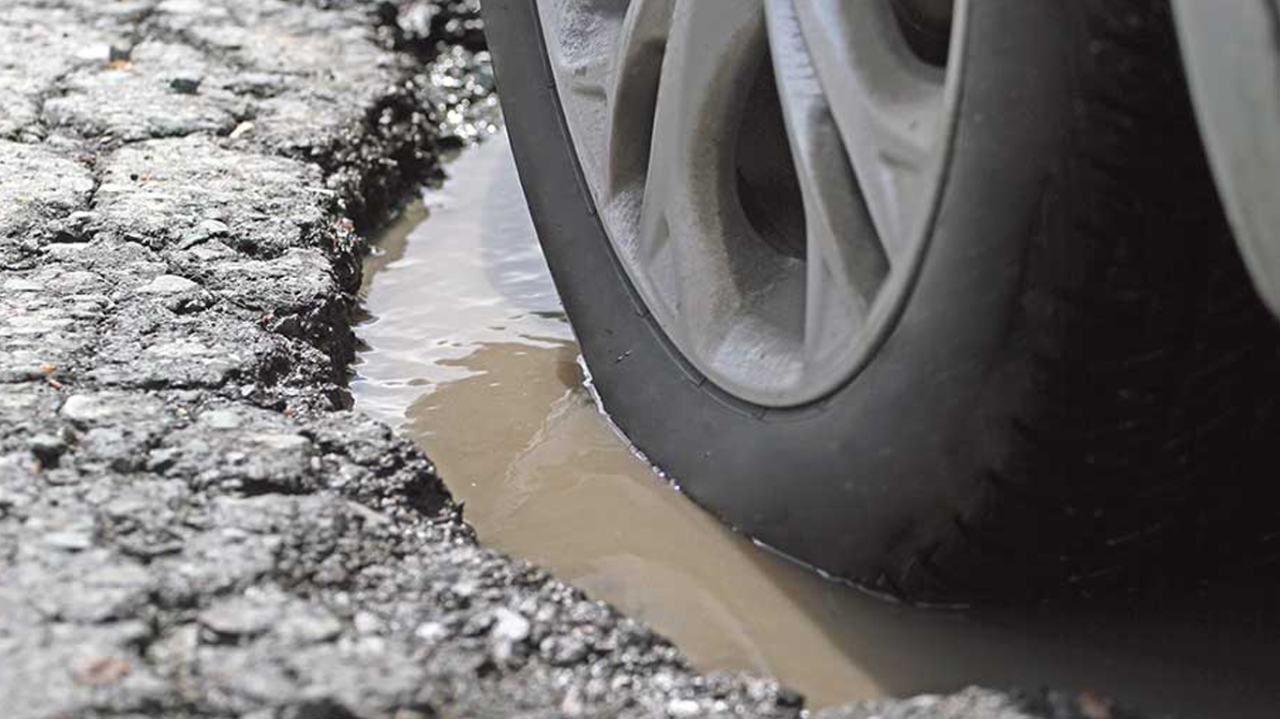
Road design and speed limits may be outside the remit of a fleet manager, but it is important to consider how changes to infrastructure could influence route planning and the length of journeys. It’s also prudent to encourage drivers to report any safety issues they experience on the roads: flagging potholes or misleading road markings can help to improve the roads and reduce accident risk.
Theme four: Robust enforcement to protect all road users
The final theme looks at introducing tougher penalties for behaviours, such as drink and drug driving and failing to wear a seatbelt, that can increase the risk and/or severity of a road traffic accident.
Any changes to the law affecting road users should be reflected in work policies and could be included within training material for company drivers to ensure they are up-to-speed with the latest rules and regulations.
Again, with the direction of travel clear for the government’s road safety strategy, early adoption of its proposals may be prudent. Implementing tougher measures around safe driving will help to instil better driver behaviours and improve risk across the fleet.
Strategy timelines
The Road Safety Strategy represents a significant and ambitious approach to improving safety on Great Britain’s roads. Given its breadth, it will take time to determine the final detail.
The government has launched a series of consultations on areas such as motoring offences, minimum learning periods and mandating vehicle safety technologies and these will report back later this year. Similarly, the findings of the two-year pilot for the National Work-Related Road Safety Charter will not be available until after the conclusion of the pilot.
But, while new regulations may be at least a year away, there’s nothing to stop fleet managers from exploring many of the proposals contained within the strategy. Initiatives such as driver training and education, in-vehicle safety technology and ADAS, and schemes like Driving for Better Business are proven ways to reduce risk and improve road safety, with significant benefits for the organisations that adopt them.
Protect your vehicles and your business
Our range of products are only available through insurance brokers. Speak to your insurance broker today about Motor Fleet insurance.
Allianz can support your business and help it adopt the improvements proposed in the government’s Road Safety Strategy. As well as giving fleet managers access to a wide range of tools and initiatives that can improve driver and fleet safety, we will provide our fleet customers with regular updates as details of the new rules and requirements are finalised.
More information and sources
(1) Reported road casualties Great Britain, annual report: 2024 - GOV.UK
(2) Road safety statistics: data tables - GOV.UK, - See RAS40 data tables for economic cost breakdowns, including medical and ambulance costs associated with road collisions.
(3) Road safety statistics: data tables - GOV.UK – See RAS40 data tables for wider economic impacts, including lost output (productivity losses) resulting from road collisions.
(5) Reported road casualties Great Britain: estimates involving driving for work - GOV.UK
(7) Understanding Human Factors in Advanced Driver Assistance Systems: An Evidence Review
(8) ADAS and Safe System model key to new UK Road Safety Strategy — Global NCAP