The Allianz Net Zero Accelerator supports selected independent brokers begin their journey to net zero.

Independent brokers are invited to receive bespoke one-to-one consultancy to help calculate their carbon emissions, identify key sources of emissions and create an easy, realistic action plan to reduce them.

1. If you're an independent broker partner, apply by filling out a quick and easy application form.

2. We'll contact you after reviewing your application and be in touch if you meet the criteria.

3. Receive an invite for your initial bespoke consultancy call.

4. Get going on your carbon reduction journey!

The application and selection for the carbon footprint tool is at Allianz’s discretion and subject to the terms and conditions.

Our handy guide helps brokers like you understand what your sustainability journey could look like.
 

In this episode of our Insurance Tomorrow podcast, Vanessa is joined by Bethany Thomas, Head of Sustainability at Allianz UK, and Tim Maiden, founder of Green Small Business, to explore how climate risks are impacting businesses, how they can adopt sustainable practices and the key role brokers play. We dive into:

  • How climate change is altering the risk landscape.
  • What risks are becoming more prevalent.
  • Sustainability best practices.
  • How brokers can add value to their clients.
  • Climate events and how brokers can help their clients stay resilient.

achieved a -47% greenhouse gas emissions reduction per employee vs. 2019.

sourced 100% renewable electricity for our buildings (RE100).
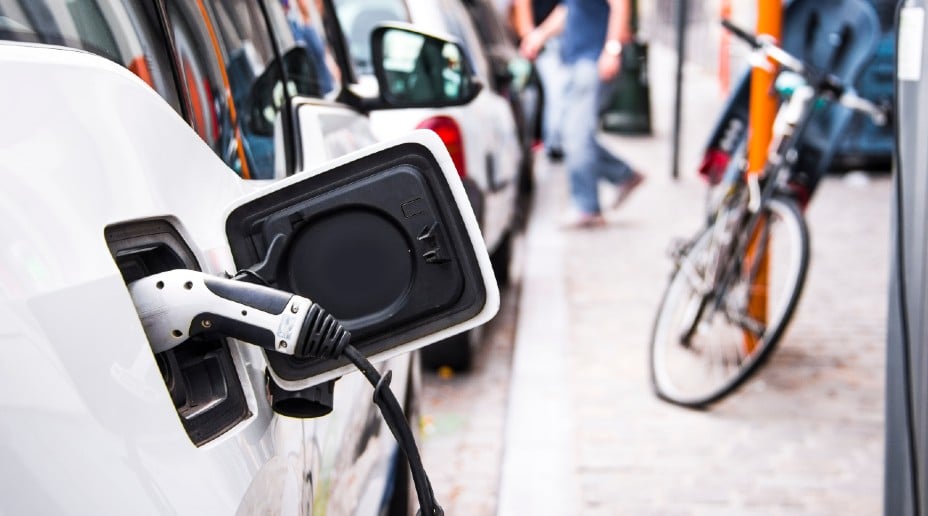
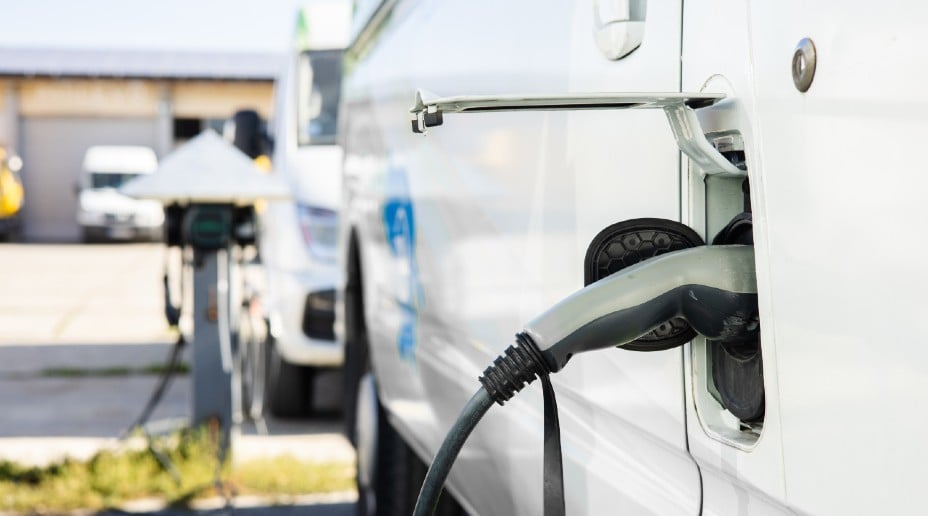
transitioned 24% of our corporate fleet to battery electric vehicles. 
trained 93% of our employees using our internal sustainability training modules. 
achieved a -25% reduction in our investment emissions vs our 2019 baseline. 
insured over 150,000 battery electric vehicles. 
From carbon neutral to net zero to carbon offsetting. What do all these words mean? Here's an explanation of some of the most used jargon.
Carbon footprint

Carbon footprint

A carbon footprint is the quantification of all activities that release greenhouse gases to the atmosphere. For office-based businesses such as insurance brokers this includes heating, lighting and electricity for offices, some business travel and emissions from employees working from home. By measuring your business’s carbon footprint, you can then work out what the most effective changes are that you can make to reduce it.

Carbon dioxide

Carbon dioxide (CO2) is a greenhouse gas emitted to the atmosphere where it absorbs and radiates heat. Regardless of where it’s emitted or the source, it will have an impact on the climate. 

Net zero

A business is considered “net zero” when it is able to ensure it removes as many greenhouse gas emissions from the atmosphere as it creates through its business operations. Greenhouse gas emissions can be removed through nature based solutions like reforestation or through technology like direct air capture. But it’s always better to avoid or reduce emissions in the first place and that’s where your pathway to net zero comes in.

Greenhouse gas protoctol

Calculations are guided by the Greenhouse Gas Protocol which helps ensure everyone measures emissions in the same way. Emissions sources are split into three ‘scopes’:

Scope 1 - Direct emissions within an organisation’s control (gas, from fuel use in company owned cars or other owned transport).

Scope 2 - Indirect emissions from purchased energy (electricity or heat).

Scope 3 - All other indirect emissions across the value chain ( such as business travel, Employees working from home and employee commuting)

This promotional material is intended for insurance broker use only and no-one else should rely upon it.
It must not be made available to anyone other than the intended recipient, either in its original form or any reproduction.