























AI and fraud webinar
 

In this episode we’re delving into the complexities of the UK’s fraud environment, exploring its impact on businesses and the insurance sector.  

Vanessa is joined by Matt Crabtree, Head of Financial Crime Intelligence & Investigation Strategy at Allianz UK, and Craig Kennedy, Partner and Head of Cyber Consulting at HF.  

We discuss:

  • The current fraud landscape, including ghost broking
  • The effects of fraud on businesses and consumers
  • How brokers can enhance client resilience against fraud
  • The critical role of incident documentation amidst the surge in 'crash for cash' schemes
Fraud now accounts for over 40% of UK crime, compelling insurers to take decisive action. Ben Fletcher, Director of Fraud and Financial Crime at Allianz UK, talks about the significant impact and public threat posed by insurance fraud. Discover how AI-driven scams are reshaping the landscape of organised crime and understand why data-sharing is crucial in combating the rapidly advancing digital tactics.

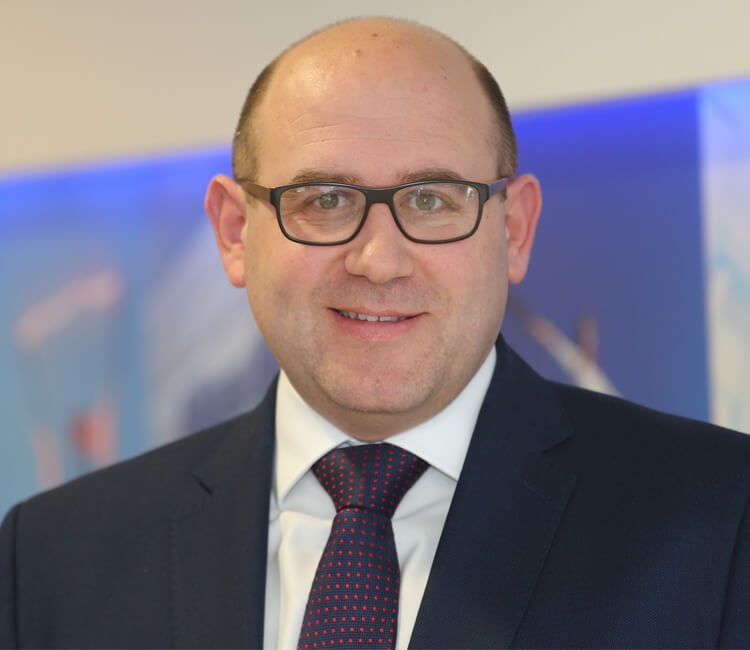
Watch Matt Crabtree, Head of Financial Crime Intelligence and Investigation Strategy at Allianz to talk all things fraud. We chat through the kinds of tactics used by ghost brokers, phishing, the most common methods criminals use to steal identities and the typical indicators of a cash for crash scheme. Plus lots more! Watch the video in full to find out more about how to help educate your customers when it comes to fraud.

Allianz UK’s fraud team is warning about a rise in quishing frauds. They are similar to so-called phishing, vishing or smishing frauds - where criminals use scam emails, text messages or phone calls to trick their victims into releasing personal details about themselves.

Quishing frauds use online adverts on social media with AI generated deepfake images and videos of politicians and celebrities promoting financial products. People are encouraged to scan QR codes and visit a website, which may download a virus onto your computer, steal bank details or other personal information or sell you a fake insurance policy.

Consumers are warned to be wary of adverts that appear to be:

  • A project created by the government to improve living standards (playing on the cost of living crisis).
  • Licensed by the Treasury for tax free trading (making it sound reputable).
  • The advert will only be shown once, so if you close the page and attempt tomorrow you will miss out  (creating a sense of urgency).
  • The adverts claims the method of making money is 100% legal and ethical (building trust).

Matt Crabtree, head of financial crime at Allianz UK warns: “Fraudsters are becoming increasingly sophisticated and we are seeing increasing use of deep fake frauds on social media adverts impersonating celebrities and politicians. They use fake QR codes that have previously been used in places like car parks to divert customers to fake websites and payment sites to steal their data or money.

“People should be wary of adverts that promise high returns without risk and should  check the websites to ensure they are genuine.”

Matt Crabtree
Google ad scams
Think you can spot a Google ad scam? Our guide will help you protect your customers from this deceptive fraud tactic.
Staged accidents
Learn how to protect yourself and your customers from the rising threat of staged accidents.
cyber incidents teaser
With a greater reliance on technology than ever before, we’ve seen an increase in the frequency and severity of cyber threats and attacks. 
man in wheelchair looking at documents
Fraud within insurance is ever evolving so it’s crucial to stay on the pulse of the latest threats. Our guide highlights how you can identify and avoid the latest risks. Here’s our top 3. 
two women working at an sme retail shop
Vishing is where fraudsters seek to commit financial crime by using the phone to get private, personal, and financial information from unsuspecting people.
This promotional material is intended for insurance broker use only and no-one else should rely upon it.
It must not be made available to anyone other than the intended recipient, either in its original form or any reproduction.